Motoring news and advice

Breakdown cover
Shop and services
Help and support
Caught on camera: should every driver have a dash cam in their car?
By James Mills
Last updated: September 15, 2017
By James Mills
Last updated: September 15, 2017
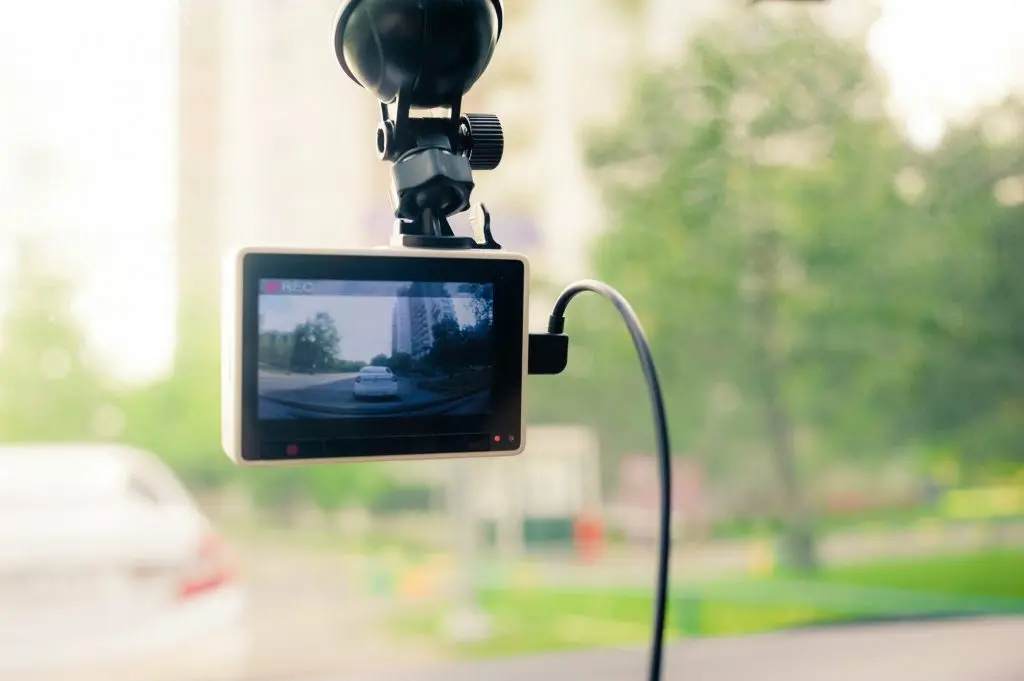
Drivers could be forgiven for thinking almost every other car, van, lorry or motorbike has a dash cam fitted to it. The pocket-size portable video devices have boomed in popularity, with an estimated four million dashboard-mounted cameras now on Britain’s roads.
And that number is only set to rise. When 29 leading vehicle insurers were questioned about dash cams, all said they would consider accepting dash cam footage in the event of a claim. Some companies go so far as to offer discounts to drivers for using a dash cam.
However, one of the UK’s leading road safety organisations has spoken out over concerns that footage from dash cams might take traffic police off the roads. And privacy campaigners have slammed the phenomenon of ‘vehicle voyeurs’. These are drivers who publicly share footage of other road users without their consent. Find out how objections are increasing to this widespread and relatively new gadget.
How popular are dash cams now?
In 2015, research company GfK claimed the UK market had boomed by 918 per cent over the previous year. It is estimated that four million drivers in Britain now use a dash cam. Some of Britain’s biggest retailers, from Argos and Amazon to Lidl and Tesco, now offer an expansive range of these devices. With prices ranging from less than £30 to almost £300, it’s big business.
Why have a dash cam?

We all like to think we’re safe drivers. But if an accident is caused by someone else, proving who was at fault is generally only possible if independent witnesses come forward. Otherwise it’s your word against the other party’s.
A dash cam can act as that witness. Assuming it records sufficient footage leading up to an accident, it can help prove who was at fault. It means insurance claims can be quickly settled and may even help save the innocent party from paying any excess charge. Because of that, some insurers offer a discount to drivers that use a dash cam.
Why aren’t they fitted to every car?
Dash cams are likely to be fitted as standard to more new cars, especially as self-driving technology reaches roads. Citroën already fits a dash cam to one of its best-selling hatchbacks, the C3. And the French firm’s parent company PSA, which also owns Peugeot, DS Automobiles and Vauxhall, says it wants to make in-car cameras as common as the steering wheel. To do so, it has formed a partnership with Garmin, one of the most successful manufacturers of high-tech car accessories.
How could dash cams be taking police off UK roads?

IAM RoadSmart, the UK’s biggest road safety charity, has warned that the surging number of drivers submitting video footage of wayward drivers to the police may lead to fewer traffic officers patrolling our roads.
Neil Greig, IAM RoadSmart’s director of policy and research, said: “It takes time for police to evaluate the footage, decide what to follow up, trace the driver, serve paperwork and then obtain a successful prosecution within legal time limits. Our main concern is that dash cams must not become a replacement for fully trained officers undertaking high profile roads policing.”
The road safety charity stresses that people should focus on improving their own standard of driving, rather view a dash cam as a substitute for better driving. It says accident prevention requires better driver training.
What are the privacy concerns over the rise in dash cams?
Dashboard cameras are intended to help prove what happened in the event of a crash. But increasingly, they are used as a way to humiliate bad drivers and earn advertising revenue in the process.
Whether it’s on YouTube, Facebook or Mail Online, the Internet is awash with footage from dash cams. But in some continental countries, including Belgium, Germany and Switzerland, the law restricts their use or says footage either can’t be shared in public or those posting must blur out number plates.
When were dash cams first used?
You can trace dash cams back to the first in-car cameras used in motor racing. In the late 1970s, sports promoters and television companies began to fit cameras to cars in the world’s leading race series, including the hugely popular NASCAR US stock car racing championship. Formula One followed this with the first live feed from an in-car camera in 1985. Around the same time, police in America started fitting cameras to patrol cars. As the technology evolved, the size and price of in-car cameras meant they became viable for sale to everyday drivers.
More from Motoring news and advice
View more
Motoring news and advice
Expert advice: why old tyres can be dangerous
Motoring news and advice
Expert advice: why old tyres can be dangerous
Motoring news and advice
Expert advice: why old tyres can be dangerous
Motoring news and advice
Driving holidays on the up: great places to stop on British road trips
Motoring news and advice
Driving holidays on the up: great places to stop on British road trips
Motoring news and advice
Driving holidays on the up: great places to stop on British road trips
Motoring news and advice
Driving holidays on the up: great places to stop on British road trips
Motoring news and advice
Do you play fuel station roulette? All about when the low fuel light is on
Motoring news and advice
Do you play fuel station roulette? All about when the low fuel light is on
Motoring news and advice
Do you play fuel station roulette? All about when the low fuel light is on
Motoring news and advice
Do you play fuel station roulette? All about when the low fuel light is on
Motoring news and advice
Stressed drivers: How to stay calm when behind the wheel of your car
Motoring news and advice
Stressed drivers: How to stay calm when behind the wheel of your car
Motoring news and advice
Stressed drivers: How to stay calm when behind the wheel of your car
Motoring news and advice
Stressed drivers: How to stay calm when behind the wheel of your car

Motoring news and advice
Why should you do a vehicle history check?
Motoring news and advice
Why should you do a vehicle history check?
Motoring news and advice
Why should you do a vehicle history check?
Motoring news and advice
Why should you do a vehicle history check?
Motoring news and advice
How to fit a bike rack to your vehicle
Motoring news and advice
How to fit a bike rack to your vehicle
Motoring news and advice
How to fit a bike rack to your vehicle
Motoring news and advice