Motoring news and advice

Breakdown cover
Shop and services
Help and support
Expert advice: is cheap supermarket fuel bad for my car’s engine?
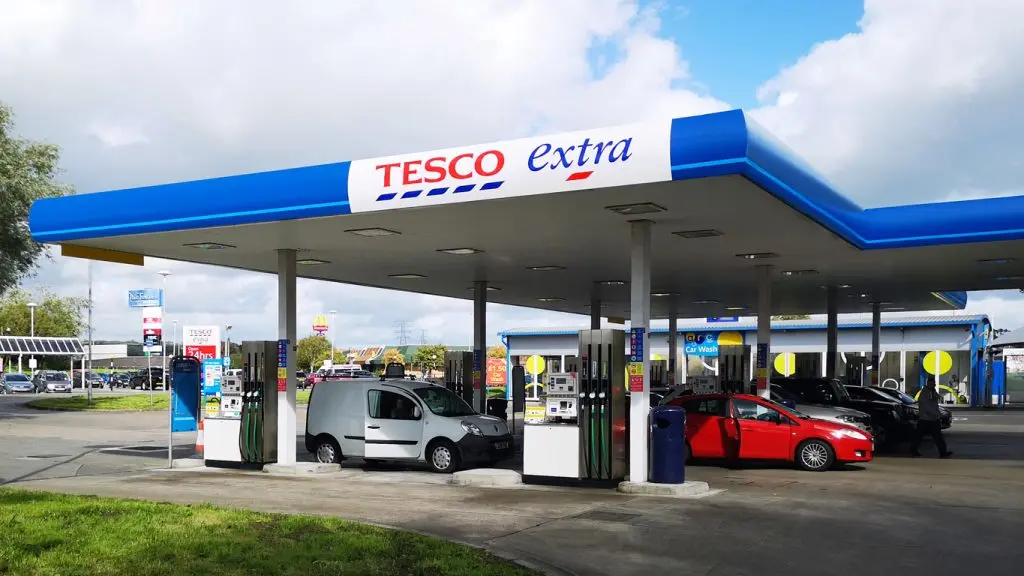

All major supermarkets such as Tesco, Asda, Sainsbury's and Morrisons now sell fuel, frequently much cheaper than the big fuel brands (Picture iStock/jax10289)
We get a lot of queries from car owners about fuel quality. But the one that keeps on coming back is whether cheap supermarket fuel is as good as big-brand petrol and diesel. It’s an important question because there can be a significant difference in what it costs to fill up at a supermarket compared with at a fuel brand’s station.
We all want to save money where we can. Whether that’s with petrol or diesel that costs less, or apparently more expensive fuel that’s cheaper because it improves economy. But most importantly, we don’t want to do our cars any damage, so how good is supermarket fuel?
Cheap and cheerful?
When I was a lad, my mum used to say that the cheaper supermarket cornflakes she favoured were made in the same place as the big-name ones I wanted. It doesn’t matter whether that’s true or not. What matters is what we think. And because a product wears a badge (the supermarket’s) that isn’t associated with quality fuel, we don’t think it can be as good as the stuff made by people who specialise in it. But that isn’t necessarily the case…
Major fuel brands such as Shell, BP, Total and Murco tweak fuel blends which they claim improves performance (Picture iStock/josefkubes)
Is all fuel the same?
The best answer to this is probably yes, and no. The cheaper supermarket fuel and the more expensive big fuel brand product on sale down the road could actually have come from the same refinery. Where they differ is that the big fuel brand will add its top-secret cocktail of chemicals. It will then spend millions on advertisements that claim its fuels increase performance, reduce exhaust emissions and even improve economy. And of course this is reflected in a slightly higher price.
Do big brand super fuels make a difference?
The maths is quite simple. If you do 10,000 miles a year and the fuel you buy improves your economy from 40 to 45 miles per gallon, you’ll be £90 in pocket, even if you’re paying 6 pence per litre more for your fuel. But will you really get 5mpg more? On most cars, that’s an improvement of between 10 and 15 per cent, which is a big ask. And we’ve already seen that when What Car? did some back-to-back tests, it found little difference between premium and regular fuel.
The car you drive
Some performance cars need a fuel that’s a higher-octane rating. This is because they operate at what’s known as a higher compression ratio. Essentially the fuel is compressed more before it’s ignited which releases more energy. Lower octane fuel will ignite too early to extract the necessary performance. If you’re in any doubt, check your car’s user manual. It should say if you need higher octane super unleaded petrol. And if you do, probably best to avoid supermarket fuel. But to be clear, putting a higher-octane rating fuel into a regular hatchback isn’t suddenly going to unleash supercar levels of performance.
What about bio fuel?
In order to reduce greenhouse gas emissions, all major fuel makers must now sell petrol with ethanol, a renewable non-fossil fuel in it. UK petrol has up to 5 per cent ethanol in it while diesel has up to 7 per cent of Fatty Acid Methyl Ester. But all new cars sold in the UK have had to be compatible with these since 2011.
There are legal standards
All fuel that’s sold in the UK must comply with legal standards set nationally and internationally. For example, currently the amount of ethanol in UK petrol is set at 5 per cent. But on the continent you can get petrol with up to 10 per cent ethanol. However, whether British Standards or European, the petrol or diesel you put in your car shouldn’t do it any damage. And that is the most important thing.

Nick Reid is head of automotive technology for Green Flag and a fellow of the Institute of the Motor Industry
More from Motoring news and advice
View more
Motoring news and advice
Expert advice: why old tyres can be dangerous
Motoring news and advice
Expert advice: why old tyres can be dangerous
Motoring news and advice
Expert advice: why old tyres can be dangerous

Motoring news and advice
Driving holidays on the up: great places to stop on British road trips
Motoring news and advice
Driving holidays on the up: great places to stop on British road trips
Motoring news and advice
Driving holidays on the up: great places to stop on British road trips
Motoring news and advice
Driving holidays on the up: great places to stop on British road trips
Motoring news and advice
Do you play fuel station roulette? All about when the low fuel light is on
Motoring news and advice
Do you play fuel station roulette? All about when the low fuel light is on
Motoring news and advice
Do you play fuel station roulette? All about when the low fuel light is on
Motoring news and advice
Do you play fuel station roulette? All about when the low fuel light is on

Motoring news and advice
Stressed drivers: How to stay calm when behind the wheel of your car
Motoring news and advice
Stressed drivers: How to stay calm when behind the wheel of your car
Motoring news and advice
Stressed drivers: How to stay calm when behind the wheel of your car
Motoring news and advice
Stressed drivers: How to stay calm when behind the wheel of your car

Motoring news and advice
Why should you do a vehicle history check?
Motoring news and advice
Why should you do a vehicle history check?
Motoring news and advice
Why should you do a vehicle history check?
Motoring news and advice
Why should you do a vehicle history check?

Motoring news and advice
How to fit a bike rack to your vehicle
Motoring news and advice
How to fit a bike rack to your vehicle
Motoring news and advice
How to fit a bike rack to your vehicle
Motoring news and advice