Motoring news and advice

Breakdown cover
Shop and services
Help and support
Expert advice: choosing engine oil for your car
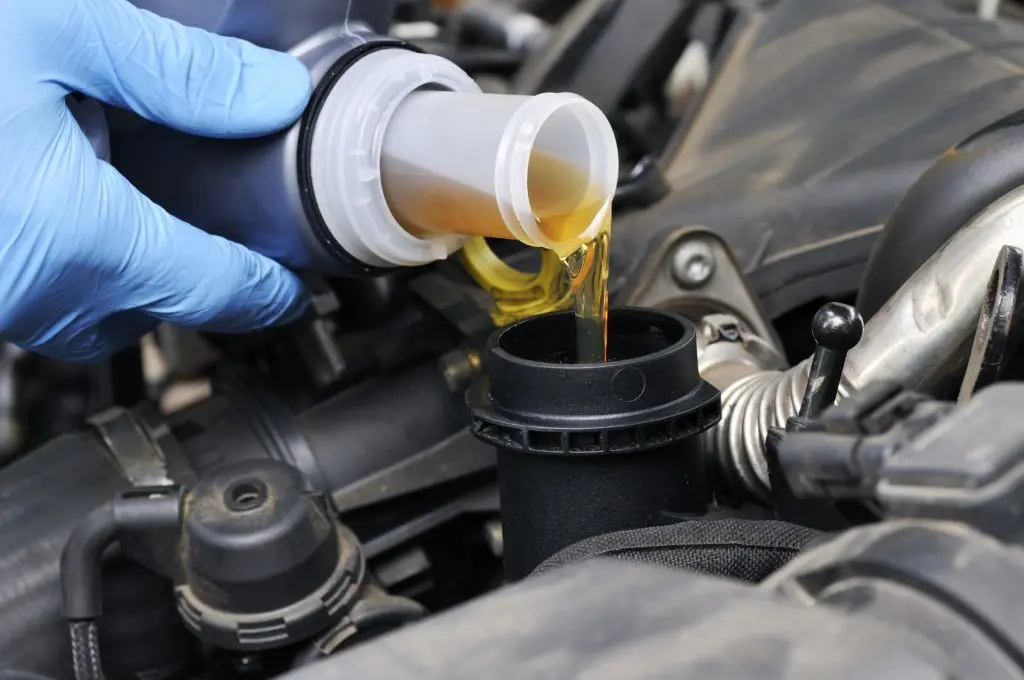
Your car needs engine oil. You need to choose the right kind
Cars are now so sophisticated that choosing engine oil has never been so important. Some require different oils to others. Get this wrong over a period of time and you could cause irreparable damage to your motor. On top of that, the engine oil you choose can make a difference to fuel economy and how long your car can go between services without performance deteriorating or vital components getting damaged.
On the upside, advances in engine oil technology mean that modern engines will cover ever greater mileages in their life time. Here’s my guide to choosing engine oil that will achieve that.
Let your fingers do the walking
There are two very simple ways to find the correct motor oil for your car. The first is to go online. Various sources, from oil companies to motor retailers, have a tool on their website that allows you to input the registration number and make of your vehicle. It’ll then tell you exactly the oil you need. The other is in the car’s handbook. Simply look up ‘oil’ or ‘engine oil’ and on the relevant pages it will tell you what your car requires.
Both these information sources will either give you the manufacturer’s code for the oil you need or the exact product name. For example, look up the engine oil for a current Volkswagen Polo and it’ll say VW 504 00/507 00. Alternatively, it could say Mobil 1 ESP 5W/30.
Why you need to follow car makers’ oil recommendations
Car makers spend many millions of pounds developing their engines so that they can conform to ever tougher legislation. To maximise their efficiency, some engines must operate at higher temperatures. Others might be made to cover more miles between services. When they’re designing engines, car makers work closely with their oil suppliers so the engines are effectively created to work with certain types of oil. Follow their advice and if in doubt, ask a garage or franchised dealer for advice.
What kind of oil is best?
There are three basic kinds of engine oil: conventional mineral, synthetic and a blend of the two. Synthetic is usually more expensive than conventional oil and your car may not need it. On the other hand, the manufacturer may specify a synthetic oil because the engine has been designed around it.
What do you look for when choosing engine oil?
Any oil container should have two specifications on it. These are API (American Petroleum Institute) and ACEA (European Automobile Constructors Association). These show that the oil meets the most basic quality criteria. As with most things to do with motoring, you get what you pay for, so cheap oil is unlikely to have been developed sufficiently to have the longevity or performance characteristics of more expensive lubricants.
What do the numbers and letters on oil mean?
This is the oil’s rating. Modern oils are known as multigrades. That means they have additives to ensure they don’t get too thick when it’s cold or too thin when they warm up. They effectively fall into two viscosity grades depending on the temperature. If an oil is 10w/40, the ‘w’ stands for winter. The lower the numbers are, the thinner the oil. Therefore the 10w means it has a certain viscosity in the winter enabling it to remain sufficiently liquid to lubricate, even when the weather is freezing. The 40 is the engine’s viscosity when it’s hot so it shouldn’t get too thin when it warms up.
What is oil viscosity?
The higher a liquid’s viscosity, the more like a solid it will appear. So engine oil can’t have a viscosity that’s too high or it will be too thick to flow round the engine and lubricate the moving parts sufficiently to ensure they don’t rub together. If the viscosity is too low, when the oil heats up, it will become so liquid that it no longer lubricates. It’s a trade-off, but a vital one for the life of your engine.
Read more here on how to check your car's oil

Nick Reid is head of automotive technology for Green Flag and is a fellow of the Institute of the Motor Industry
More from Motoring news and advice
View more
Motoring news and advice
Expert advice: why old tyres can be dangerous
Motoring news and advice
Expert advice: why old tyres can be dangerous
Motoring news and advice
Expert advice: why old tyres can be dangerous

Motoring news and advice
Driving holidays on the up: great places to stop on British road trips
Motoring news and advice
Driving holidays on the up: great places to stop on British road trips
Motoring news and advice
Driving holidays on the up: great places to stop on British road trips
Motoring news and advice
Driving holidays on the up: great places to stop on British road trips

Motoring news and advice
Do you play fuel station roulette? All about when the low fuel light is on
Motoring news and advice
Do you play fuel station roulette? All about when the low fuel light is on
Motoring news and advice
Do you play fuel station roulette? All about when the low fuel light is on
Motoring news and advice
Do you play fuel station roulette? All about when the low fuel light is on

Motoring news and advice
Stressed drivers: How to stay calm when behind the wheel of your car
Motoring news and advice
Stressed drivers: How to stay calm when behind the wheel of your car
Motoring news and advice
Stressed drivers: How to stay calm when behind the wheel of your car
Motoring news and advice
Stressed drivers: How to stay calm when behind the wheel of your car

Motoring news and advice
Why should you do a vehicle history check?
Motoring news and advice
Why should you do a vehicle history check?
Motoring news and advice
Why should you do a vehicle history check?
Motoring news and advice
Why should you do a vehicle history check?

Motoring news and advice
How to fit a bike rack to your vehicle
Motoring news and advice
How to fit a bike rack to your vehicle
Motoring news and advice
How to fit a bike rack to your vehicle
Motoring news and advice