Motoring news and advice

Breakdown cover
Shop and services
Help and support
Expert advice: how to de-ice your car safely
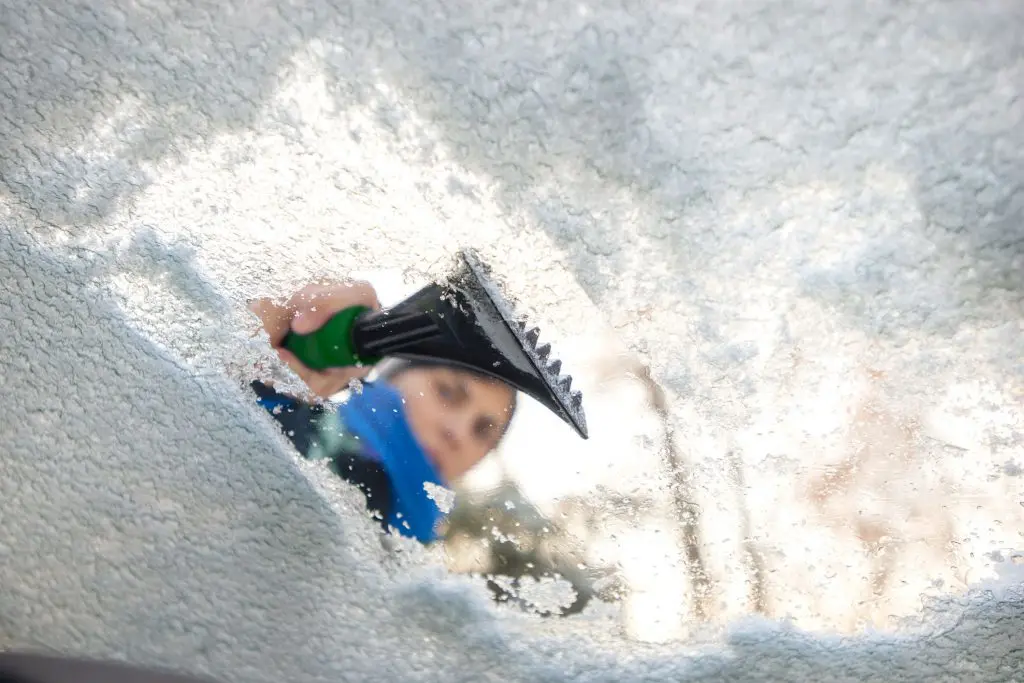

Over a third of UK drivers regularly get behind the wheel without having fully de-iced their vehicle. Not only is this dangerous, it's actually against the law.
So, as part of our Can't See, Won't Drive campaign, we've put together some expert advice on how to de-ice your car safely, even in the toughest conditions.
How to de-ice your car
Use a scraper. The most effective way of de-icing cars' windows is still with a scraper. It’s always best to use one that’s designed for the job. There are stories of people who swear by credit cards and even old CD cases. The danger with these is they may scratch the screen. A proper ice scraper will allow you to shift the ice quickly and effectively.
Try a de-icer spray. If you don't fancy using a scraper, you can also use de-icer sprays, which are an easy way of getting the job done.
De-ice all of your windows. 42% of drivers only de-ice their windscreen before setting off, but you've got to de-ice all your windows, mirrors, and lights to be safe.
Never drive looking through a porthole scraped in the ice on your windscreen. Hazards come at us from all angles when we’re on the road. It’s important that we can see all around us, so make sure you clear the ice from the side windows as well as the entire windscreen.
12% of UK drivers don't keep a de-icer in their car at all times over winter. Remember, if you don't have a clear windscreen, you could even face a fine. So, make sure you've got all the gear you need.

How not to de-ice your car
Don’t try to de-ice your windows by running your windscreen wipers. It'll cause excessive wear to the blades, and won't even shift the ice.
Don’t pour boiling water over your windscreen. It will certainly be very effective at melting the ice, but it’s also a very effective way of causing your screen to crack. If you’ve got a small chip or some damage that you may not have noticed, the boiling water will get into it and the sudden expansion will turn that tiny chip into a rapidly spreading crack.
Finally, don't believe all the hacks you read online, especially the one that involves getting an old plant sprayer and putting a salt water mix in it. Salt is highly corrosive, so your paintwork won’t thank you for it.

Spray de-icers are very effective tools for the job
Remote heating and electric vehicle technology
Depending on your car, you may not even need to follow the steps listed above. Your car may do all the hard work for you.
Some vehicles now include technology that lets you heat up the vehicle remotely. Give the order and your vehicle can gently warm up, clearing away any ice from the windows and mirrors, and you'll be good to go in no time.
There are certain electric and hybrid vehicles that can warm up the car while it's plugged in to charge. This means you'll have a full battery and a full view of everything around you, even on the chilliest winter morning.
What to do if your locks or brakes freeze up
When the thermometer really does drop below zero, locks can freeze up. One way of thawing them is to boil a kettle, leave it to cool for 10 minutes, then pour it over the lock.
Parking brakes can stick on too. This is because moisture freezes on the surface of the metal components in the mechanism housed inside the back wheels. If you can, pour a kettle of hot water through the spokes of your rear wheels to free it.
Advice if you drive a diesel
Diesel engines can be difficult to start in the winter because diesel is more susceptible to cold weather than petrol. Diesel relies on the fuel being compressed in the cylinder and the heat this generates to ignite. But when an engine is very cold, the engine absorbs that heat, making it difficult for the fuel to burn. To get over this, diesels have things called glow plugs. These ignite the fuel even when conditions are freezing cold.
First thing’s first: when you turn the ignition on, an orange light with a symbol like a curly wire will appear on the dash (left). This light indicates that the glow plugs are heating up. When the light goes out, they’re hot enough to ignite the fuel. When you turn the key the engine should fire easily.
If starting the engine is still difficult in the cold, it might be sensible to take the car in for a service. A new fuel filter may well cure the problem.
One last thing...
When you're de-icing your vehicle, watch out, there may be a thief about.
Over half of UK drivers admit to leaving their vehicle unattended for an average of seven minutes when de-icing their windscreen. This is a risk that isn't worth taking.
There have been many cases where drivers have started their engines in the road or on the drive. They’ve then gone back inside for a nice hot drink. In the meantime, an opportunist has come along, jumped in and driven off. What’s more, insurers are within their rights not to pay out because they can argue the drivers haven’t taken sufficient care of their possessions. Never leave your vehicle unattended.
If you can't see, don't drive. It takes less than ten minutes to fully de-ice your vehicle. So, stock up on de-icer and stay safe this winter.
*Research conducted on 2,000 UK Drivers, December, 2020, by Censuswide.
More from Motoring news and advice
View more
Motoring news and advice
Expert advice: why old tyres can be dangerous
Motoring news and advice
Expert advice: why old tyres can be dangerous
Motoring news and advice
Expert advice: why old tyres can be dangerous
Motoring news and advice
Driving holidays on the up: great places to stop on British road trips
Motoring news and advice
Driving holidays on the up: great places to stop on British road trips
Motoring news and advice
Driving holidays on the up: great places to stop on British road trips
Motoring news and advice
Driving holidays on the up: great places to stop on British road trips
Motoring news and advice
Do you play fuel station roulette? All about when the low fuel light is on
Motoring news and advice
Do you play fuel station roulette? All about when the low fuel light is on
Motoring news and advice
Do you play fuel station roulette? All about when the low fuel light is on
Motoring news and advice
Do you play fuel station roulette? All about when the low fuel light is on
Motoring news and advice
Stressed drivers: How to stay calm when behind the wheel of your car
Motoring news and advice
Stressed drivers: How to stay calm when behind the wheel of your car
Motoring news and advice
Stressed drivers: How to stay calm when behind the wheel of your car
Motoring news and advice
Stressed drivers: How to stay calm when behind the wheel of your car

Motoring news and advice
Why should you do a vehicle history check?
Motoring news and advice
Why should you do a vehicle history check?
Motoring news and advice
Why should you do a vehicle history check?
Motoring news and advice
Why should you do a vehicle history check?
Motoring news and advice
How to fit a bike rack to your vehicle
Motoring news and advice
How to fit a bike rack to your vehicle
Motoring news and advice
How to fit a bike rack to your vehicle
Motoring news and advice