
Motoring news and advice

Breakdown cover
Shop and services
Help and support
Expert advice: what to do with an overheating car
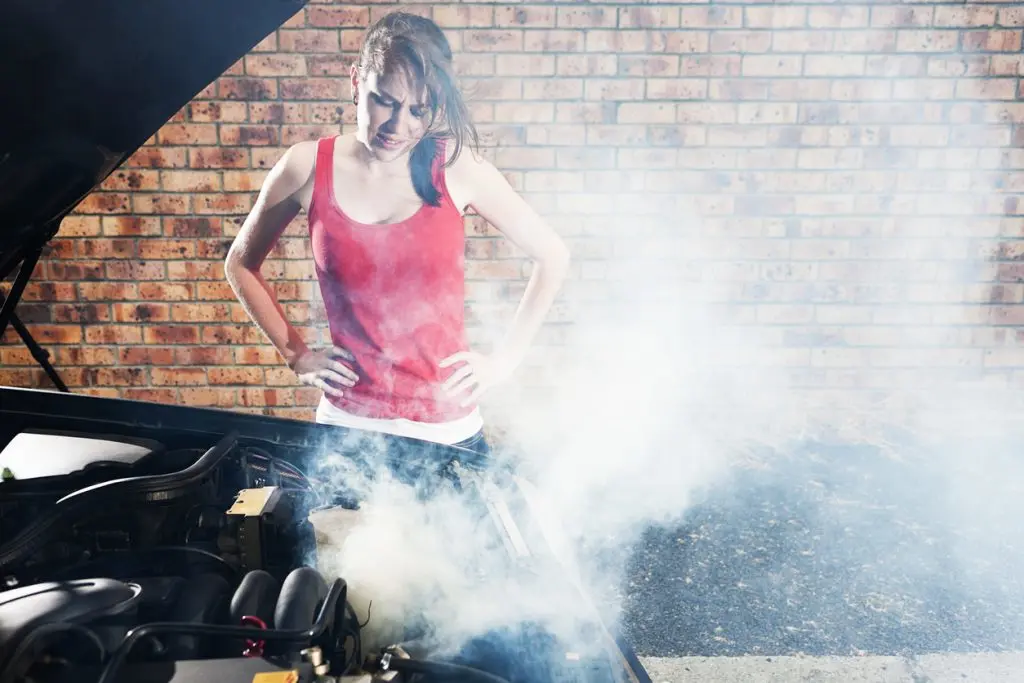
Overheating cars used to be a familiar sight, stopped at the road side, bonnet up, steam pouring from the engine. Thankfully it's not so common now as cars in general have become more robust.
But overheating - when the engine's water literally boils - does occur. Here we look at why, what you can do if your car does overheat, and offer some tips on how to prevent it.
Why do cars need water?
Just as staying hydrated is vital for humans, so fluid is vital for cars, if not in quite the same way. Most cars now are water cooled. This means they have channels built into their engine block that water circulates through. This is designed to stop too much heat building up from all the engine's moving parts. The water then passes through the radiator where it's cooled by the air forced through it as the vehicle moves forwards. Whether or not this cooling water is pumped through the engine is controlled by a thermostat.
Why do cars overheat?
There are numerous reasons why engines get too hot and the liquid boils over. It could be that there isn't sufficient coolant to take the heat away from the engine properly. If the engine overheats at low speeds, it might be that there's something wrong with the fan. This draws air through the radiator when the car isn't moving fast enough for the air to cool the radiator. It might be the fan belt if the car has one. Or the switches that turn the fan on and off.
If the engine overheats at high speeds, it could be that the thermostat telling the water pump to send water around the cooling system has packed up. Or the water pump itself might be on the blink. Airflow alone won't be sufficient to cool an engine that's working hard.
It could be that the radiator has a hole in it and is leaking water. Or there might be a leak elsewhere in the system through a hose or faulty connection. The radiator might even be blocked. I've seen a car's engine temperature rise alarmingly fast because an old plastic bag had got stuck to the radiator grille.
What happens if your car is overheating?
First, make sure the steam you can see is coming from your car. If you're in a traffic jam, it might be from a car in front. Then look for somewhere safe to pull over. An engine that's running too hot could cause itself serious damage. Assuming pulling over is possible, there probably isn't much you can do for around 30 minutes.
Pop the bonnet from inside the car, then make sure you and any other occupants are standing a safe distance from any moving traffic. You then need to let things cool down while you wait for your breakdown operator. There's every chance the steam from the engine's boiling water will have made the bonnet catch super hot. But it should have cooled by the time a breakdown professional arrives. Sadly, some of the causes of overheating mentioned above are impossible to fix roadside, even by one of our skilled technicians.
And if you can't stop safely
The first thing to do is turn off the air-conditioning. This is another motor working away beneath the bonnet, taking heat away from the cabin and thereby making things under the bonnet even hotter. Then turn the heating up to full. It might make things inside the car pretty sweaty, but it'll draw some heat away from the engine. Even so, you should stop as soon as you safely can, particularly if there are any red lights illuminated on the dashboard.
What precautions prevent overheating?
The most preventable cause of overheating is a lack of coolant. To ensure you've got enough, simply open the bonnet and look for a bottle with 'min' and 'max' markings (above). If you're in any doubt about where it is, look at your car's owner's manual. Coolant is a mixture of water and anti-freeze and the level should be between the markers. If it's below the 'min' line, you can top it up with water. But make sure there's a proper concentration of anti-freeze before winter. You could also have your car serviced before you go on holiday. The diagnostics should show if there are any problems with the thermostat or the fan not kicking in when it's supposed to. It really is a case of prevention being better than cure
 Nick Reid is head of automotive technology at Direct Line Group and a fellow of the Institute of the Automotive Industry
More from Motoring news and advice
View more
Motoring news and advice
Expert advice: why old tyres can be dangerous
Motoring news and advice
Expert advice: why old tyres can be dangerous
Motoring news and advice
Expert advice: why old tyres can be dangerous
Motoring news and advice
Driving holidays on the up: great places to stop on British road trips
Motoring news and advice
Driving holidays on the up: great places to stop on British road trips
Motoring news and advice
Driving holidays on the up: great places to stop on British road trips
Motoring news and advice
Driving holidays on the up: great places to stop on British road trips
Motoring news and advice
Do you play fuel station roulette? All about when the low fuel light is on
Motoring news and advice
Do you play fuel station roulette? All about when the low fuel light is on
Motoring news and advice
Do you play fuel station roulette? All about when the low fuel light is on
Motoring news and advice
Do you play fuel station roulette? All about when the low fuel light is on
Motoring news and advice
Stressed drivers: How to stay calm when behind the wheel of your car
Motoring news and advice
Stressed drivers: How to stay calm when behind the wheel of your car
Motoring news and advice
Stressed drivers: How to stay calm when behind the wheel of your car
Motoring news and advice
Stressed drivers: How to stay calm when behind the wheel of your car

Motoring news and advice
Why should you do a vehicle history check?
Motoring news and advice
Why should you do a vehicle history check?
Motoring news and advice
Why should you do a vehicle history check?
Motoring news and advice
Why should you do a vehicle history check?
Motoring news and advice
How to fit a bike rack to your vehicle
Motoring news and advice
How to fit a bike rack to your vehicle
Motoring news and advice
How to fit a bike rack to your vehicle
Motoring news and advice