Motoring news and advice

Breakdown cover
Shop and services
Help and support
Expert advice: Dos and don’ts for stopping on motorway hard shoulders
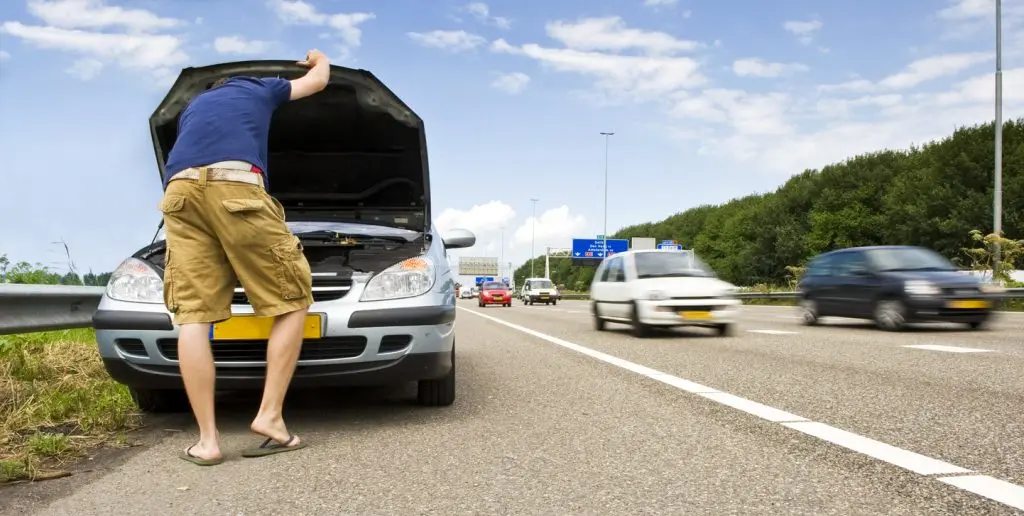
Don't try to fix it yourself. Read our five dos and five don'ts for stopping on a motorway hard shoulder
A motorway hard shoulder can be a dangerous place to spend time. That’s why all our technicians receive comprehensive training on what to do and how to behave on the hard shoulder. While it’s part of their job to spend time at the side of the motorway, it’s also something every driver could have to face at some point in their car-owning career.
For that reason, I’ve compiled five dos and fives don’ts for the motorway hard shoulder.
D****O take care entering the hard shoulder
The figures suggest that nearly one in five (16 per cent) of hard shoulder collisions happen as cars pull off the main carriageway onto the hard shoulder. Indicate left and start moving to the left as soon as you feel your car is losing power. Once you’ve come to a halt put your hazard warning lights on.
DO watch where you stop
Motorways have emergency phones at approximately one-mile intervals. About every 100 yards between the phones there’s a marker post. If you can, stop near either a phone or post. The post will tell you which direction the nearest phone is. As soon as you use a phone the emergency services will have pinpointed your location. The marker posts also have a number. This means if you have a mobile phone you can tell the emergency services the number and again, they’ll know exactly where you are.
DO be careful how you stop
You’re on the hard shoulder now, pull your car as far to the left as possible. And when it finally comes to a halt, turn your steering wheel to the left. If your car is hit from behind, this ensures it hits the crash barrier or verge and doesn't spear back onto the carriageway.
DO wear a reflective jacket
If you have them, wear hi-vis jackets. Buy enough for all the family over the internet and you’ll be very pleasantly surprised how cheap they are.
DO rejoin the carriageway carefully
According to the Highways Agency, 14 per cent of hard shoulder collisions took place as the vehicle rejoined the main carriageway. To do this safely, don’t just start the engine, indicate and pull right. First get up some speed. The noise this makes will be a bit unnerving with grit and stones pinging off the bottom of the car. Hard shoulders are covered in debris. Be aware that you might come across bits of exhaust pipe and other hard debris too. Then when you get to around 50mph, if it’s safe to do so, indicate right and pull onto the carriageway.
DON’T use the hard shoulder unless you must
As we’ve established, being at the side of a motorway can be dangerous. That’s why stopping on the hard shoulder is only permitted in an emergency, if you break down or if a police officer tells you to. When I say emergency, that does not include stopping to go to the toilet.
The hard shoulder needs to be clear for people to stop if they need to. That’s why if you stop on the hard shoulder and it isn’t an emergency, you could be fined.
DON’T stay in your car

Wait for rescue on the other side of the crash barrier. And stand back from it too
Exit your vehicle quickly through the left-side door (away from the road) and stand on the other side of the crash barrier, if you’re able to do so.
If you can’t safely leave your car, keep your hazard lights and seatbelts on, and call 999 immediately.
DON’T forget about Smart motorway rules
Smart motorways are different from regular motorways. One of these differences is that there may not be a hard shoulder. Instead, Smart motorways have orange ‘Emergency Refuge Areas’ every mile or so for you to stop in.
It’s well worth taking the time to read through this article on what to do if you break down on a Smart motorway.
DON’T let pets out
If you have any pets with you, National Highways recommends leaving them in the vehicle. This is to prevent them from panicking and suddenly running towards the motorway.
If you do decide to take your pet out of the vehicle with you, always keep them close-by and behind the barrier.
DON’T try to mend your car
Unless it’s an incredibly obvious, straightforward, and above all quick fix, our technicians never work on cars on the hard shoulder. Instead they will tow it off the motorway or to a service area where they can get it going again in comparative safety. You should follow this example and not even bother lifting the bonnet if you’re beside a motorway. After all, we’re the experts and we don’t do it.
 Nick Reid is head of automotive technology at Direct Line Group and a fellow of the Institute of the Automotive Industry
More from Motoring news and advice
View more
Motoring news and advice
Expert advice: why old tyres can be dangerous
Motoring news and advice
Expert advice: why old tyres can be dangerous
Motoring news and advice
Expert advice: why old tyres can be dangerous
Motoring news and advice
Driving holidays on the up: great places to stop on British road trips
Motoring news and advice
Driving holidays on the up: great places to stop on British road trips
Motoring news and advice
Driving holidays on the up: great places to stop on British road trips
Motoring news and advice
Driving holidays on the up: great places to stop on British road trips
Motoring news and advice
Do you play fuel station roulette? All about when the low fuel light is on
Motoring news and advice
Do you play fuel station roulette? All about when the low fuel light is on
Motoring news and advice
Do you play fuel station roulette? All about when the low fuel light is on
Motoring news and advice
Do you play fuel station roulette? All about when the low fuel light is on
Motoring news and advice
Stressed drivers: How to stay calm when behind the wheel of your car
Motoring news and advice
Stressed drivers: How to stay calm when behind the wheel of your car
Motoring news and advice
Stressed drivers: How to stay calm when behind the wheel of your car
Motoring news and advice
Stressed drivers: How to stay calm when behind the wheel of your car

Motoring news and advice
Why should you do a vehicle history check?
Motoring news and advice
Why should you do a vehicle history check?
Motoring news and advice
Why should you do a vehicle history check?
Motoring news and advice
Why should you do a vehicle history check?
Motoring news and advice
How to fit a bike rack to your vehicle
Motoring news and advice
How to fit a bike rack to your vehicle
Motoring news and advice
How to fit a bike rack to your vehicle
Motoring news and advice