Motoring news and advice

Breakdown cover
Shop and services
Help and support
Expert advice: Running out of fuel – all you need to know
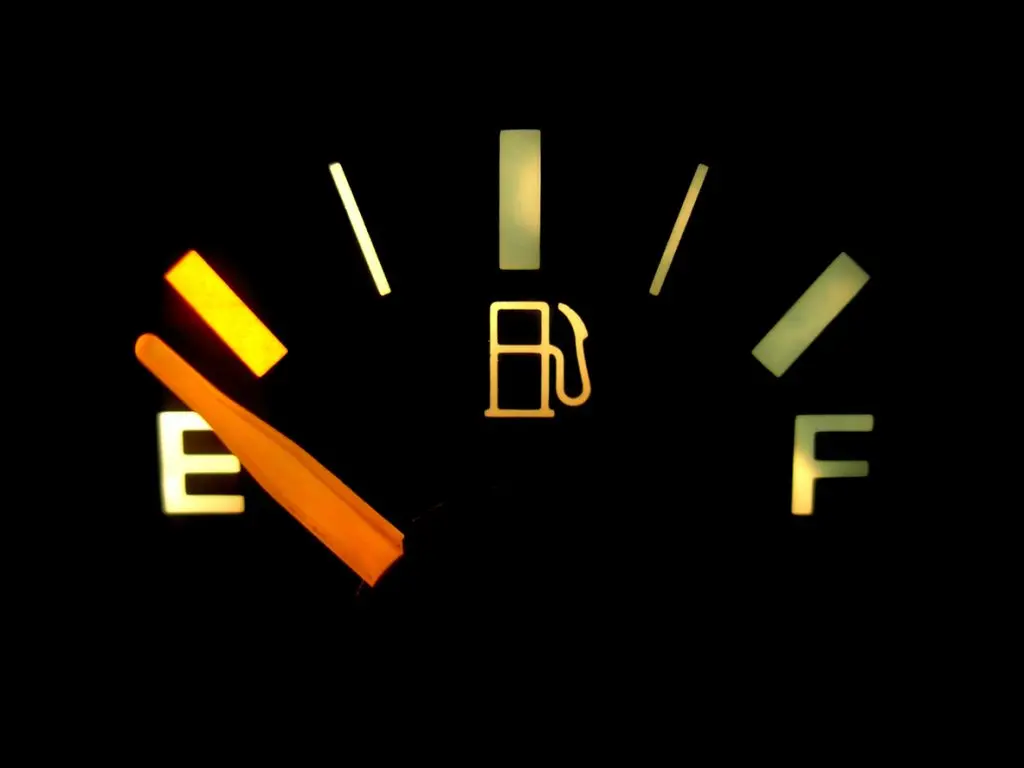
Running out of fuel at the roadside is a bad idea for many reasons. For a start it can put you in unnecessary danger, stranded beside speeding vehicles. And depending on the kind of car you drive and its age, it could cause mechanical complications when you do get fuel.
But that doesn’t stop hundreds of thousands running out of fuel every year. I read a survey a little while ago which said that 70,000 drivers a month run dry on the road. The problem seems to be that owners overestimate how far their car can travel when its tank is nearly empty. Here’s what you need to know.
How do you know your car is running dry?
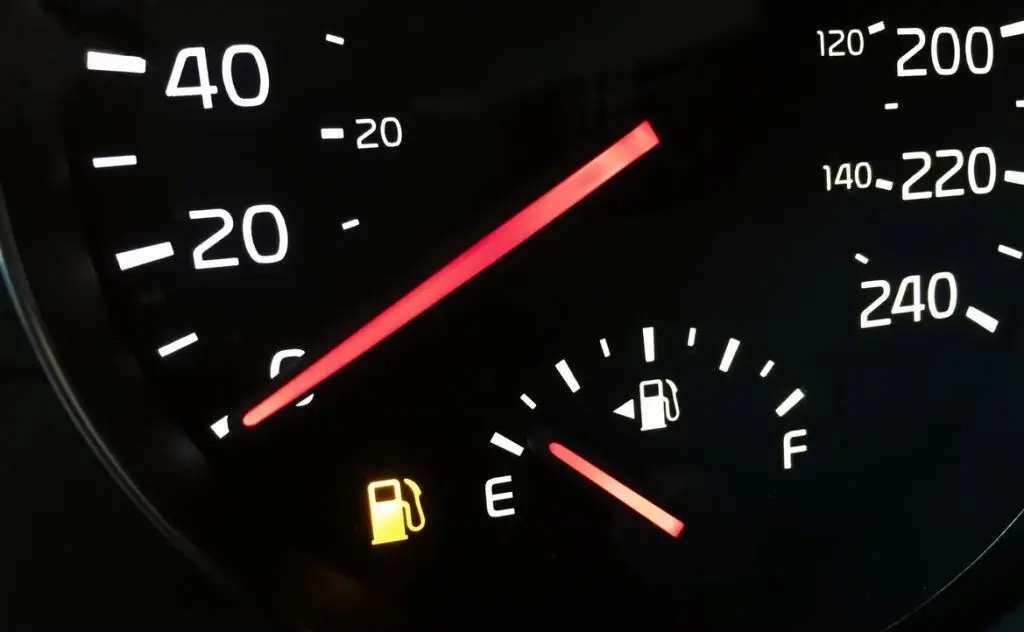
The fuel gauge is designed to be the first sign that your car is running out of gas. When the fuel tank gets beyond a quarter empty an orange warning light comes on. On some cars, the range function then automatically lights up on the instrument panel.Ignore this and as the fuel tank drains, your car may start to sound like it’s spluttering. This is a misfire which means some of the cylinders aren't getting sufficient petrol to burn. It won’t do this for very long before it conks out altogether.
Is running out of fuel bad for a car?
The roadside is a very dangerous place to spend time. But apart from that there are a couple of reasons why it’s less than ideal to run out of fuel.
Older cars can have debris that's accumulated over the years at the bottom of the fuel tank. There are filters designed to prevent this making it into the engine. It’s better those don’t get clogged as eventually this may impede the flow of fuel.
The fuel also cools the fuel pump. But don’t worry, running out of fuel once shouldn’t damage the pump. Running out multiple times might. Of more concern is that you may struggle to re-start your car.
How easy is it to re-start a car that’s run out?
This really does depend on the car. The fuel system will have got air in it when the tank runs dry. Once the tank has fuel in it again, when you turn the ignition on, the fuel system should be primed and ready to start. Turning over the engine should then purge the air. The engine might take a bit longer than usual to fire but it should start without any problems.
On older pre-fuel injection cars it could be tricky to re-start, particularly if the carburettor had run dry. And some older diesel cars needed to have air bled from the fuel system after they’d run out of fuel.
Do you use the range computer?
Ever played fuel station roulette? That’s when you use the ‘range’ function on the car’s trip computer to gauge how many miles are left in the tank. To do this with any certainty relies on the car being able to calculate the range accurately. But how do you know that’s what it’s doing?
I’ve read tests of car trip computers where it’s been found they’re on average around 5 per cent inaccurate. And we’ve been called out to cars that have conked out through lack of fuel, despite the computer saying they’ve got a range of 40 or so miles left in them.
Equally, some cars err on the side of caution, saying the car has zero miles left in the tank when they’ve actually got another gallon. The message is: you can’t rely on a car’s computer to be accurate. As soon as the low fuel light comes on, find a service station.
Is it illegal to run out of fuel?
It might be careless but it’s not illegal to run dry. In fact, it's one of the reasons you’re allowed to use the motorway hard shoulder. That said there have been cases where drivers have been fined £100 and given three penalty points for careless driving if they’ve needlessly run out, leaving their car in a dangerous position. And in some countries such as Germany it is illegal.
The overall message is, it’s much easier not to run out in the first place.
More from Motoring news and advice
View more
Motoring news and advice
Expert advice: why old tyres can be dangerous
Motoring news and advice
Expert advice: why old tyres can be dangerous
Motoring news and advice
Expert advice: why old tyres can be dangerous

Motoring news and advice
Driving holidays on the up: great places to stop on British road trips
Motoring news and advice
Driving holidays on the up: great places to stop on British road trips
Motoring news and advice
Driving holidays on the up: great places to stop on British road trips
Motoring news and advice
Driving holidays on the up: great places to stop on British road trips
Motoring news and advice
Do you play fuel station roulette? All about when the low fuel light is on
Motoring news and advice
Do you play fuel station roulette? All about when the low fuel light is on
Motoring news and advice
Do you play fuel station roulette? All about when the low fuel light is on
Motoring news and advice
Do you play fuel station roulette? All about when the low fuel light is on

Motoring news and advice
Stressed drivers: How to stay calm when behind the wheel of your car
Motoring news and advice
Stressed drivers: How to stay calm when behind the wheel of your car
Motoring news and advice
Stressed drivers: How to stay calm when behind the wheel of your car
Motoring news and advice
Stressed drivers: How to stay calm when behind the wheel of your car

Motoring news and advice
Why should you do a vehicle history check?
Motoring news and advice
Why should you do a vehicle history check?
Motoring news and advice
Why should you do a vehicle history check?
Motoring news and advice
Why should you do a vehicle history check?

Motoring news and advice
How to fit a bike rack to your vehicle
Motoring news and advice
How to fit a bike rack to your vehicle
Motoring news and advice
How to fit a bike rack to your vehicle
Motoring news and advice