Motoring news and advice

Breakdown cover
Shop and services
Help and support
Expert advice: if you must drive in snow here's the kit you should carry
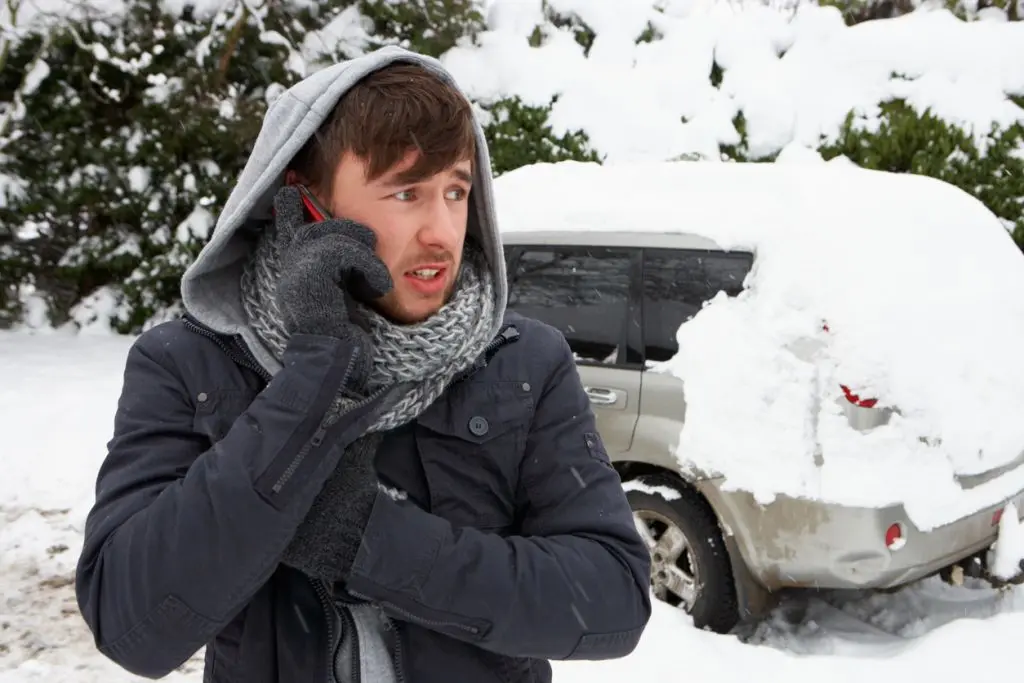
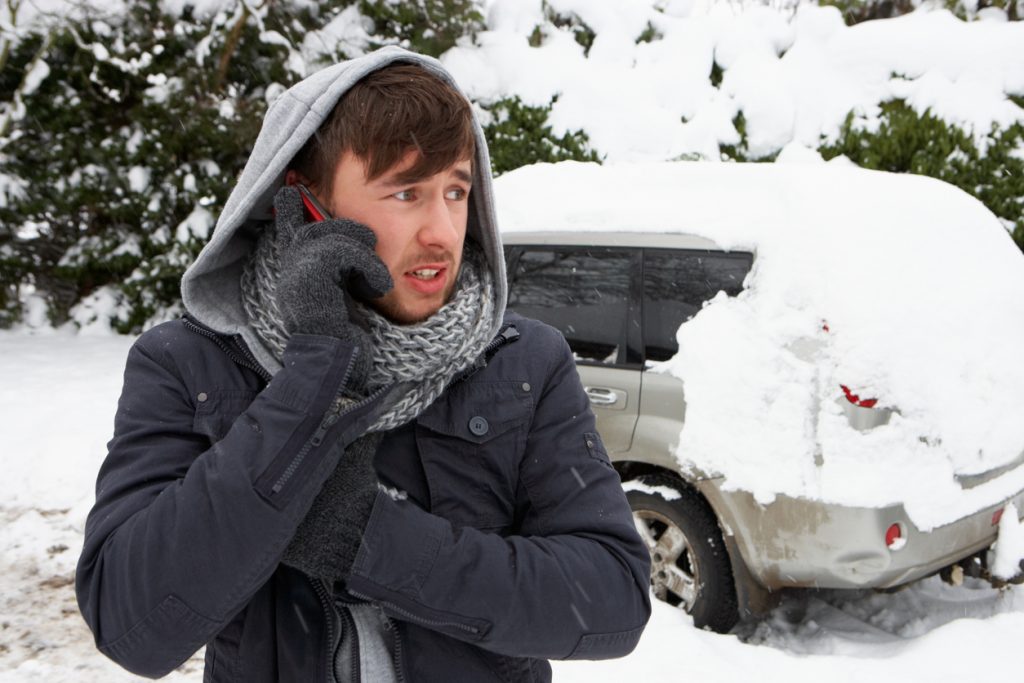
A mobile phone could be a life saver
As the Beast from the East bites and many of us wake up to almost unprecedented winter weather, I thought it a good idea to put together a snow set. And along with the equipment drivers should carry in their cars, I've also given some advice if they get stuck.
Of course, the best thing to do is to get the fire on, relax and watch the TV until the thaw sets in. But as appealing as that sounds, it isn’t always an option. If you must drive, here are some tips.
Put your snow set together
First, you’ll need a cardboard or preferably plastic box. This is to stop your snow set rattling around in the boot. And it makes it easy to find things as and when you need them.
Reflective jacket
I’ve said this before, but I really do believe a high visibility reflective jacket is one of the most important things a driver can carry. Our breakdown professionals know only too well that the side of the road can be a very dangerous place. And in snow, when the light tends to be very flat, you need all the help you can get to stand out. The best way to do that is with a reflective vest.
Always carry your phone
A mobile phone could be your link with the outside world if you get stuck. Make sure yours is fully charged and that you have a charging cable. Even better, if you have one, is a portable power module. If you’re unlucky enough to break down, your phone is your life line ‑ but only if it’s got enough juice in it.
Pack boots and a warm coat
If you’re going out in the snow, make sure you’ve got some sensible shoes or wellies (with warm socks), a thick coat, hat and gloves. You might have to walk for help in the biting cold, or dig your car out of a snow drift.
Waterproof trousers
These can be a sensible thing to have in your snow set. If you walk through deep snow, trousers can get very wet which will make you cold. Ditto that if you kneel down to dig out a buried wheel. Water proof trousers are also very effective at protecting you from wind chill.
Blankets and food
If your car gets stuck miles from help, your safest bet may be to sit tight and wait to be rescued by a snow plough, local farmer or Good Samaritan in a 4x4 or car with winter tyres. In that case, you’ll need a blanket, some non-perishable food such as chocolate and bags of crisps and most importantly, water to stay hydrated.
Other components of your snow set
A torch (wind-up ones can be good), jump leads, shovel, tow rope and warning triangle can all come in useful. And if you own snow chains, take them with you. We’d never advise towing unless you’re a professional with the proper kit. But these are extreme circumstances. And sometimes a friendly farmer with a tractor might be required to tow you out of trouble. The same caution should be applied to warning triangles. Using one can help alert other drivers to a hazard. But don’t put yourself in any danger putting one out. Walk in the direction you’ve just come and place the triangle 30m from your car, in the direction of travel.
How to stay safe
If there’s nothing for it but to stay in your car, make sure that the exhaust isn’t buried in snow. This is so you can run the engine periodically to warm the inside of your car up. Switch off any unnecessary electrics such as headlights, wipers and the radio. Use the engine every now and again with the heater on maximum to ensure the inside of the car doesn’t get too cold. Wrap up warm. Put all the clothes you’ve got on and get your blanket and food out from your snow set. Then sit tight and wait for help.
Driving out of a drift
The first thing to remember about driving in snow is that less is more. If your car isn’t going anywhere, don’t give it a bootful of revs. That will just dig it in further. The lower the revs the more likely your tyres are to get purchase on a slippery surface. If you’re not going forwards, try going backwards. Reverse gear is quite low and it may help the tyres get purchase.
Dig yourself out
The chances are your wheels are digging in because the tyres can’t get any purchase on the snow. If you’ve got a shovel – collapsible ones are very cheap – dig channels in front or behind your tyres. Alternatively use your car’s matts. Yes, it’ll trash them, but it might just get you out of a sticky situation.
And finally…
Before you set off, check how much fuel you’ve got. You’ll probably have enough to worry about without worrying about running dry. And if you have to stay in your car, you’ll be surprised how much juice running the engine without going anywhere uses. Good luck.
_ Nick Reid is head of automotive technology for Green Flag and is a fellow of the Institute of the Motor Industry_
More from Motoring news and advice
View more
Motoring news and advice
Expert advice: why old tyres can be dangerous
Motoring news and advice
Expert advice: why old tyres can be dangerous
Motoring news and advice
Expert advice: why old tyres can be dangerous
Motoring news and advice
Driving holidays on the up: great places to stop on British road trips
Motoring news and advice
Driving holidays on the up: great places to stop on British road trips
Motoring news and advice
Driving holidays on the up: great places to stop on British road trips
Motoring news and advice
Driving holidays on the up: great places to stop on British road trips
Motoring news and advice
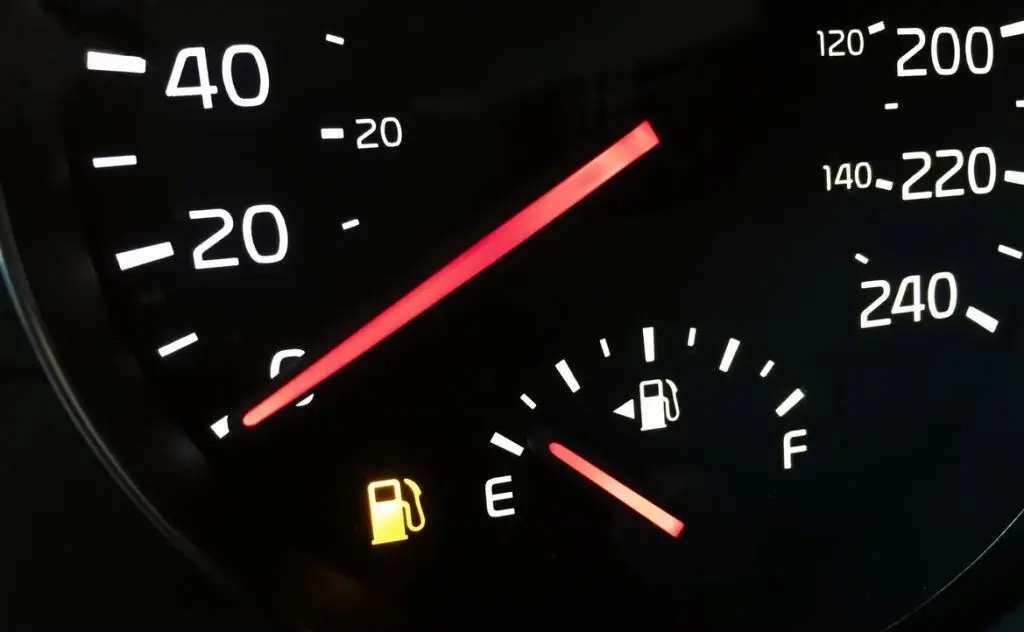
Do you play fuel station roulette? All about when the low fuel light is on
Motoring news and advice
Do you play fuel station roulette? All about when the low fuel light is on
Motoring news and advice
Do you play fuel station roulette? All about when the low fuel light is on
Motoring news and advice
Do you play fuel station roulette? All about when the low fuel light is on
Motoring news and advice
Stressed drivers: How to stay calm when behind the wheel of your car
Motoring news and advice
Stressed drivers: How to stay calm when behind the wheel of your car
Motoring news and advice
Stressed drivers: How to stay calm when behind the wheel of your car
Motoring news and advice
Stressed drivers: How to stay calm when behind the wheel of your car

Motoring news and advice
Why should you do a vehicle history check?
Motoring news and advice
Why should you do a vehicle history check?
Motoring news and advice
Why should you do a vehicle history check?
Motoring news and advice
Why should you do a vehicle history check?
Motoring news and advice
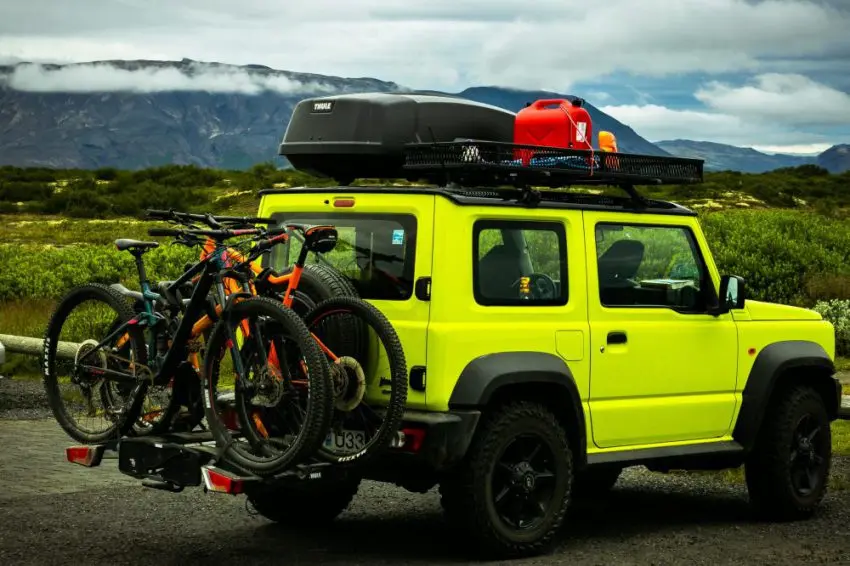
How to fit a bike rack to your vehicle
Motoring news and advice
How to fit a bike rack to your vehicle
Motoring news and advice
How to fit a bike rack to your vehicle
Motoring news and advice