Motoring news and advice

Breakdown cover
Shop and services
Help and support
Expert advice: drivers rely too much on TPMS tyre pressure monitoring
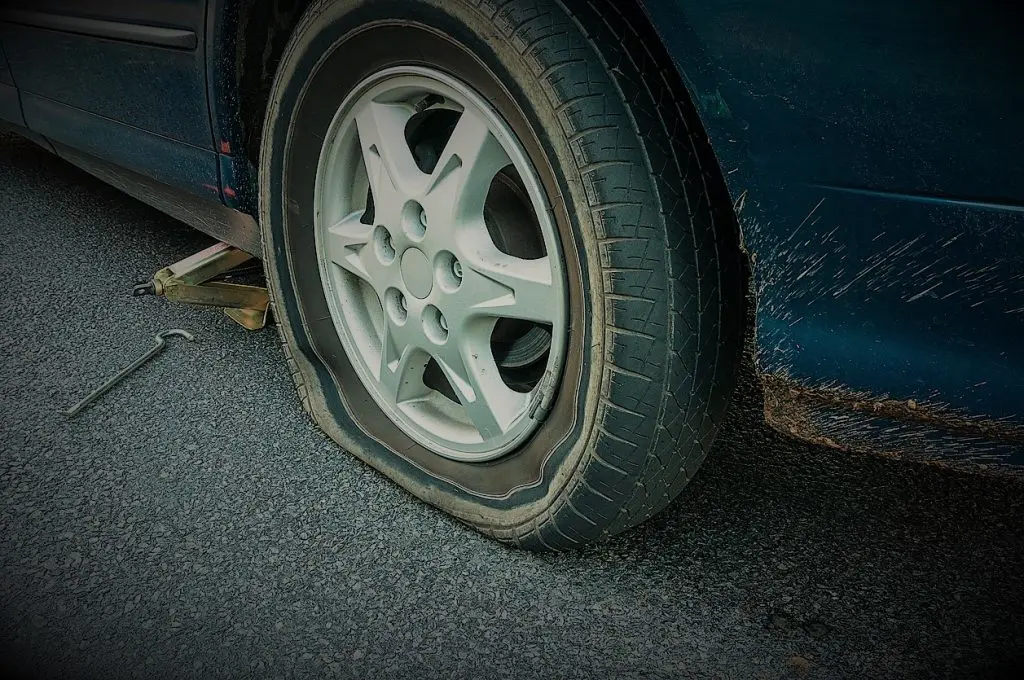
If your car is registered after 2012, it will probably be fitted with a Tyre Pressure Monitoring System (TPMS). But I have concerns that drivers are relying too much on the technology and not performing regular tyre checks themselves.
My fears are that drivers could be putting themselves in danger by thinking TPMS is doing a job it is neither designed for nor capable of. Here’s how TPMS may not be the all-encompassing safety net many drivers think it is.
TPMS MOT failures rise dramatically
Official figures show the number of MOT failures due to faulty TPMS rose by 212 per cent between 2015 and 2016. That was 23,000 vehicles that needed a retest because their tyre warning system wasn’t working. On top of that, around eight million vehicles fail their MOT each year and a quarter of those are because of defective tyres.
Why TPMS can’t be relied on
There are two different kinds of tyre pressure warning system. The most accurate relies on wheel mounted sensors. These transmit a signal to the car’s computer. But the battery inside the sensor can go flat meaning it no longer supplies any data. It’s unlikely that all four will pack up at the same time. However, it only takes one under-pressure tyre to cause an accident, or an MOT failure…
TPMS needs to be set up
I’m concerned that not all drivers realise they need to set up their TPMS for it to be effective. They should also realise that tyres need to lose a lot of air before some sensors register it. Some won’t see any problem until a tyre has lost around a quarter of its air. That is a lot of pressure. A tyre deflated by that much could already be running hot at speed and in danger of blowing out. And it will be costing the driver in extra fuel. That’s because an under-pressure tyre needs more energy to turn it which means the engine will use more fuel.
What drivers need to do
First of all, set your TPMS up. If it’s not immediately straightforward, check your car’s user manual. It’s usually very simple. Then make sure the system is working when you turn the car’s ignition on. The orange TPMS light (below) should come on along with the various warning lights that illuminate and go out on the instrument panel as the car performs its checks.

If that light doesn’t illuminate, the system could be faulty. If the light stays on, it could be a tyre that needs replacing. In either case, you need to take your car to a garage so they can find out what’s going on.
Why you still need to check your tyres
Most TPMS systems use the car’s ABS wheel sensors. These check how fast the wheels rotate and compare speeds with each other. If a tyre is under pressure it won’t go round as quickly as other wheels, the computer will work out it’s because it’s under pressure and the warning light will come on. But as we’ve seen above, it’s not a very sensitive way of working. What’s more it won’t detect if your tyre has a nail in it, or a lump in the sidewall, until the tyre starts to fail.
How to check your tyres
I’ve already written an in-depth piece on all the checks drivers should make on their tyres. To recap, every couple of weeks, you should check your tyres’ air pressure, give them a visual inspection, and check that their tread depth is greater than the 1.6mm legal minimum.
If you're interested in getting new tyres and finding a local fitter, head to the Green Flag Tyres website.
_ Nick Reid is head of automotive technology for Green Flag and is a fellow of the Institute of the Motor Industry_
More from Motoring news and advice
View more
Motoring news and advice
Expert advice: why old tyres can be dangerous
Motoring news and advice
Expert advice: why old tyres can be dangerous
Motoring news and advice
Expert advice: why old tyres can be dangerous

Motoring news and advice
Driving holidays on the up: great places to stop on British road trips
Motoring news and advice
Driving holidays on the up: great places to stop on British road trips
Motoring news and advice
Driving holidays on the up: great places to stop on British road trips
Motoring news and advice
Driving holidays on the up: great places to stop on British road trips
Motoring news and advice
Do you play fuel station roulette? All about when the low fuel light is on
Motoring news and advice
Do you play fuel station roulette? All about when the low fuel light is on
Motoring news and advice
Do you play fuel station roulette? All about when the low fuel light is on
Motoring news and advice
Do you play fuel station roulette? All about when the low fuel light is on

Motoring news and advice
Stressed drivers: How to stay calm when behind the wheel of your car
Motoring news and advice
Stressed drivers: How to stay calm when behind the wheel of your car
Motoring news and advice
Stressed drivers: How to stay calm when behind the wheel of your car
Motoring news and advice
Stressed drivers: How to stay calm when behind the wheel of your car

Motoring news and advice
Why should you do a vehicle history check?
Motoring news and advice
Why should you do a vehicle history check?
Motoring news and advice
Why should you do a vehicle history check?
Motoring news and advice
Why should you do a vehicle history check?

Motoring news and advice
How to fit a bike rack to your vehicle
Motoring news and advice
How to fit a bike rack to your vehicle
Motoring news and advice
How to fit a bike rack to your vehicle
Motoring news and advice