Motoring news and advice

Breakdown cover
Shop and services
Help and support
Expert advice: why not all cars have heated windscreens
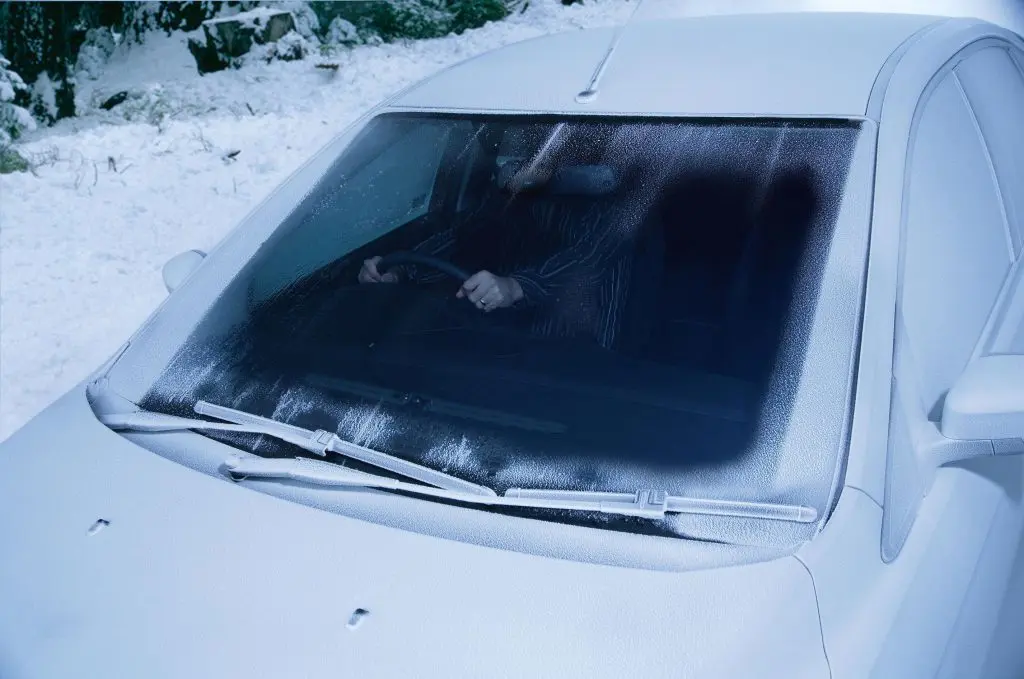
Heated screens are a quick way to demist and melt ice in cold weather (Picture Ford)
We’re quite often asked why all cars don’t have heated windscreens to prevent steaming up. Heated screens are a great innovation, clearing condensation inside swiftly while helping to melt ice outside on frosty mornings. But not all cars have them. Read on to find out why.
What is a heated windscreen?
Windscreens are what’s called laminated. This is two sheets of glass sandwiching a layer of plastic. The design is for safety reasons because it stops the glass splintering after impacts. A heated screen features an electrical heating filament between the layers of glass. This draws a lot of current from the battery so you must usually have the engine on for them to work.
What is the benefit of a heated windscreen?
Blasting hot air – particularly if it’s air conditioned ‑ onto the windscreen is a recognised and relatively fast way to get rid of condensation. However, having a heating element within the glass, applying warmth from its core, is much more efficient and demists the screen almost instantly.
Do all cars have heated screens?
Yes, an increasing number of cars do. For years it was mainly Fords, and cars made by companies that Ford had owned such as Land Rover, Jaguar and Volvo. That changed when Ford’s patent on the technology ran out in, I believe, 2011.
Now heated screens are available from most manufacturers such as Volkswagen/Audi/SEAT/Skoda, Mercedes-Benz, BMW/MINI, Land Rover, Jaguar, Volvo and Nissan. However, they are usually on higher specification models or available as an option. If you’re buying a used car, it’s worth checking if it’s got a heated screen.
How to tell if your car has a heated screen
Look closely at the screen and you should see a mesh of tiny wires – about the thickness of a fine hair – zig zagging through the screen. You might also see some wires at the bottom of the screen. And in the car, probably next to the heated rear window button, there’ll be a switch with a windscreen on it and a zig-zag line going across it.
Heated windscreen switch looks like the above button on the left (Picture Fotokot197)
Why don’t all cars have heated windscreens?
It’s a question of cost. It requires more wiring, another button, and that’s without the heating element in the windscreen itself which is more expensive than a standard screen. Plus, with its ventilation system, the car already has something that will demist a screen, although not quite as efficiently.
Can you fit a heated windscreen to a car?
As the heating elements are built into the screen, you can’t fit the heating to an existing screen. However, there are companies that sell aftermarket heated windscreens. They cost around £200 and upwards.
Unless you’re confident with your electrical wiring skills, it’s probably best to get an expert to fit it.
Can heated windscreens be repaired?
Sadly getting a chip in your windscreen happens to all of us at some point in our motoring life. Thankfully, [insurers include repairs](http://windscreen repairs) (where they’re possible) in policies either for free or for a small amount to cover the policy’s excess.
More good news, heated screens can be repaired. It’s very unusual for a chip or crack to go all the way through the layers of glass in a modern laminated screen. And that means the heating element is rarely damaged.
If you do need to have a screen replaced, again, it will probably be included in your insurance policy. Although you’ll have to pay an excess, it’ll be an awful lot cheaper than paying the £200 or probably more that a whole new screen will cost.
By John Price, part of Green Flag’s team of automotive technical support engineers
More from Motoring news and advice
View more
Motoring news and advice
Expert advice: why old tyres can be dangerous
Motoring news and advice
Expert advice: why old tyres can be dangerous
Motoring news and advice
Expert advice: why old tyres can be dangerous
Motoring news and advice
Driving holidays on the up: great places to stop on British road trips
Motoring news and advice
Driving holidays on the up: great places to stop on British road trips
Motoring news and advice
Driving holidays on the up: great places to stop on British road trips
Motoring news and advice
Driving holidays on the up: great places to stop on British road trips
Motoring news and advice
Do you play fuel station roulette? All about when the low fuel light is on
Motoring news and advice
Do you play fuel station roulette? All about when the low fuel light is on
Motoring news and advice
Do you play fuel station roulette? All about when the low fuel light is on
Motoring news and advice
Do you play fuel station roulette? All about when the low fuel light is on
Motoring news and advice
Stressed drivers: How to stay calm when behind the wheel of your car
Motoring news and advice
Stressed drivers: How to stay calm when behind the wheel of your car
Motoring news and advice
Stressed drivers: How to stay calm when behind the wheel of your car
Motoring news and advice
Stressed drivers: How to stay calm when behind the wheel of your car

Motoring news and advice
Why should you do a vehicle history check?
Motoring news and advice
Why should you do a vehicle history check?
Motoring news and advice
Why should you do a vehicle history check?
Motoring news and advice
Why should you do a vehicle history check?
Motoring news and advice
How to fit a bike rack to your vehicle
Motoring news and advice
How to fit a bike rack to your vehicle
Motoring news and advice
How to fit a bike rack to your vehicle
Motoring news and advice