Motoring news and advice

Breakdown cover
Shop and services
Help and support
Spot the warning signs of the five most common faults in new cars
By James Mills
Last updated: March 25, 2018
By James Mills
Last updated: March 25, 2018
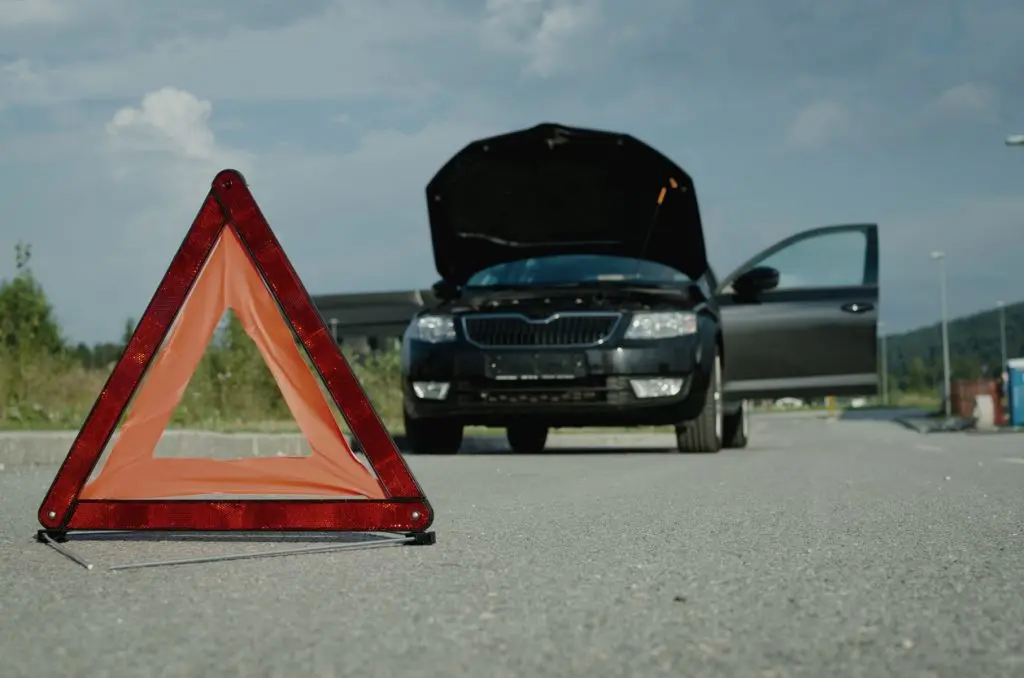
For some drivers, the excitement of a showroom-fresh motor is short lived. Car faults can frequently take the pleasure out of owning a new motor.
At least, that’s the view of members of consumer champion Which?. Nearly 45,000 owners of cars aged up to three-years old were asked to rate their motor for reliability. Yet despite many of the vehicles still having that new-car smell, a surprising number of problems reared their head.
Here are the five most common faults that occur in a new car’s first three years of driving. And we've added the symptoms to help you understand if your car might be suffering from one.
Fault 1: Exhaust or emission control system
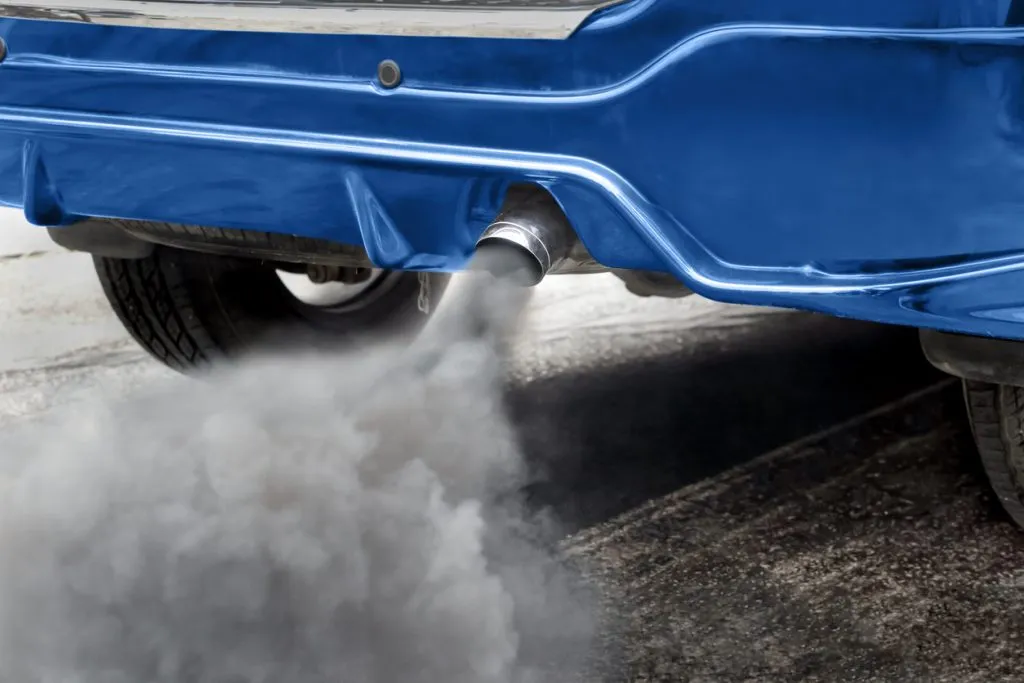
Cars affected: 5 per cent
The most common fault found by the drivers who responded to the Which? reliability survey concerned the exhaust and emissions control system. Based on new car sales from 2015 to 2017, more than 390,000 cars up to three-years old could be affected.
Their job is to lower the levels of harmful emissions from the petrol or diesel that is burned by the engine. Recently, the spotlight has been cast on these systems after Volkswagen was caught cheating air pollution regulations.
Signs of trouble
If your car has a problem with its exhaust or emissions control system you may experience a misfire while driving. This feels like a shudder through the vehicle as you cruise or accelerate. Other symptoms include a loss of engine power or thick clouds of smoke from the exhaust. Look out for an orange warning light on the dashboard – see our guide to warning lights for more information.
Fault 2: Sat nav failure

Cars affected: 4 per cent
Having an integrated sat nav system in a new car is one of the most popular options for drivers. Not only can it direct you from A to B, it can warn of traffic jams and plan an alternative route, locate the nearest petrol station or highlight nearby areas of interest or convenience.
That’s all well and good when it’s working, but on a surprising 4 per cent of cars it isn’t. That’s equivalent to more than 314,000 cars.
Signs of trouble
Is your sat nav slow to load up? Does it start at all? Does it crash during use? Or are the live traffic updates failing to appear? If any of these is happening, return the car to a franchised dealer and ask them to investigate the problems under the terms of the new car warranty.
Fault 3: Flat battery
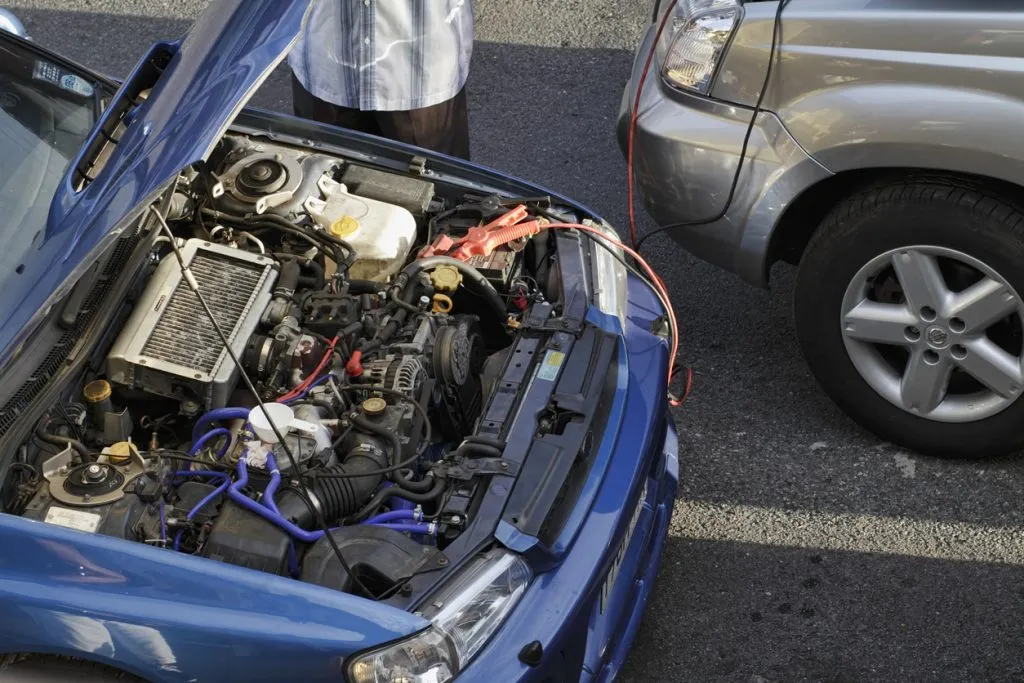
Cars affected: 3 per cent
The Which? survey shows that being new doesn’t safeguard a car against suffering a flat battery. Part of the problem is that modern cars are packed with electronic gadgetry which draws power. Using equipment when the car is stationary or with only the ignition switched on drains the battery.
At the same time, features such as headlights that illuminate for 30 seconds after the car's engine is turned off add to the strain.
Signs of trouble
A car battery is most likely to give up the ghost when you start the engine. That’s because many drivers leave things like the audio system, heated seats, heated mirrors and heated rear window turned on. This puts more of a strain on a battery that’s already struggling to make a starter motor turn over an engine with cold oil. Look out for a red warning light on the dashboard – see our guide to warning lights for more information.
Fault 4: Brakes
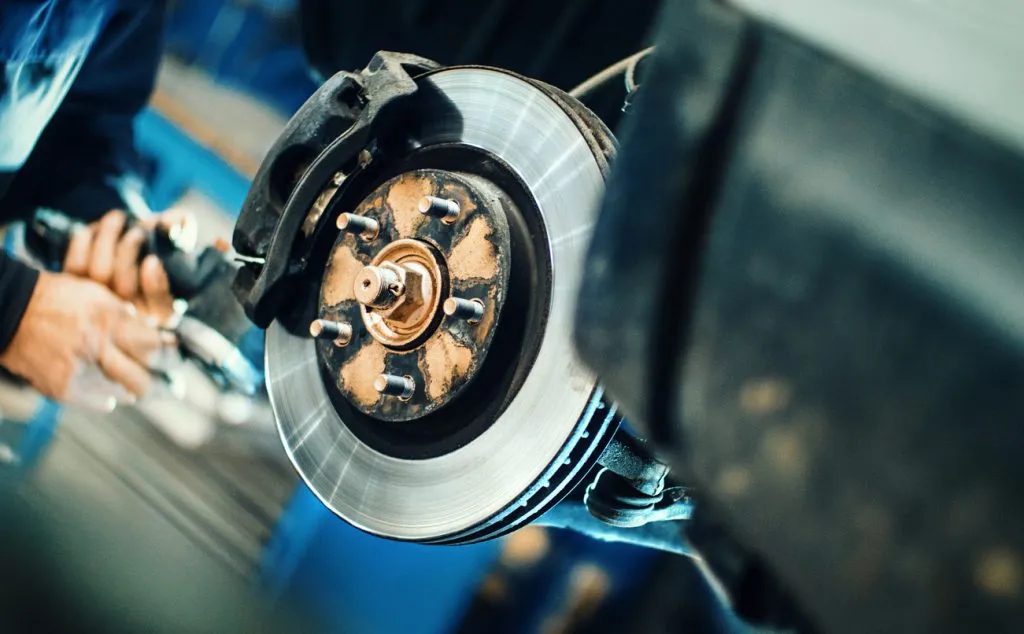
Cars affected: 3 per cent
Brakes are seemingly simple things: pads using hydraulic force to apply pressure that grips discs. But there’s an unseen level of technological sophistication behind the scenes that can go wrong. And at a basic level, brakes can stick, discs can warp, air can get into the hydraulic system and fluid can leak.
Signs of trouble
Listen for a grinding sound when you brake. Feel whether the car is pulling noticeably to one side of the road when slowing. And check that the car comes to a very gradual, natural stop on a level surface by releasing the brake pedal at walking speed. Also watch for a red warning light on the dashboard – see our guide to warning lights for more information.
Fault 5: Suspension
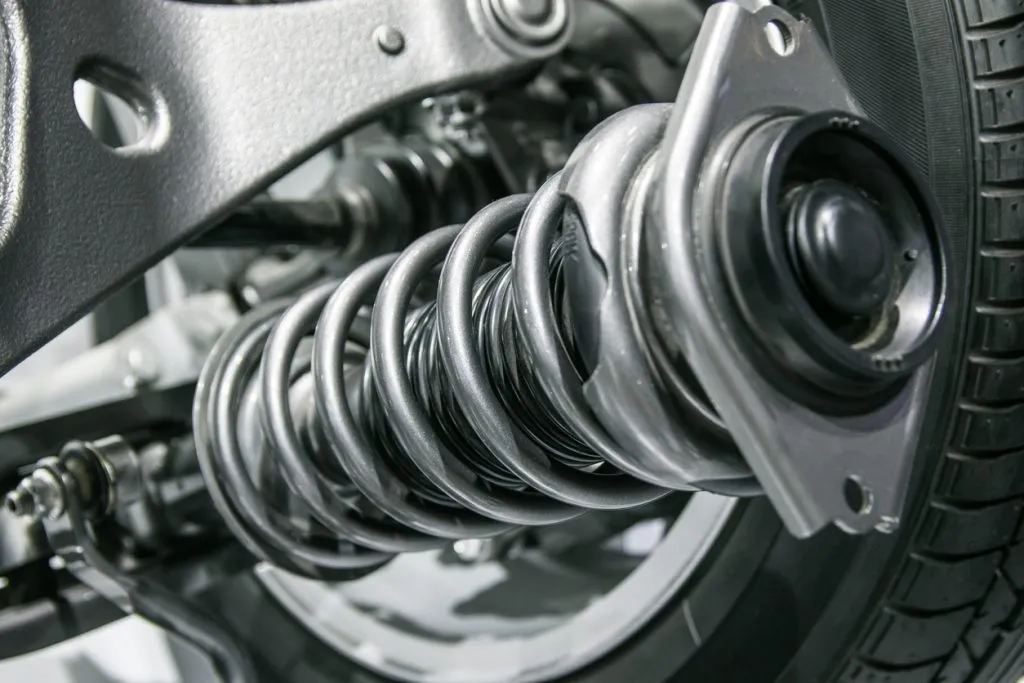
An intricate web of suspension arms, struts and steering gear attach the wheels to your car. These help your motor maintain a safe and comfortable hold of the road. But in an age where potholes are spreading like a plague, and fancy electronic suspension systems are used to manage the weight or performance of certain vehicles, much can go wrong.
Signs of trouble
If the car is making any peculiar noises, bottoming out over crests or speed bumps, pulling to one side of the road or shuffling around through corners, there’s a good chance all is not well with some part of the suspension. Have it checked by a reputable garage.
More from Motoring news and advice
View more
Motoring news and advice
Expert advice: why old tyres can be dangerous
Motoring news and advice
Expert advice: why old tyres can be dangerous
Motoring news and advice
Expert advice: why old tyres can be dangerous

Motoring news and advice
Driving holidays on the up: great places to stop on British road trips
Motoring news and advice
Driving holidays on the up: great places to stop on British road trips
Motoring news and advice
Driving holidays on the up: great places to stop on British road trips
Motoring news and advice
Driving holidays on the up: great places to stop on British road trips
Motoring news and advice
Do you play fuel station roulette? All about when the low fuel light is on
Motoring news and advice
Do you play fuel station roulette? All about when the low fuel light is on
Motoring news and advice
Do you play fuel station roulette? All about when the low fuel light is on
Motoring news and advice
Do you play fuel station roulette? All about when the low fuel light is on

Motoring news and advice
Stressed drivers: How to stay calm when behind the wheel of your car
Motoring news and advice
Stressed drivers: How to stay calm when behind the wheel of your car
Motoring news and advice
Stressed drivers: How to stay calm when behind the wheel of your car
Motoring news and advice
Stressed drivers: How to stay calm when behind the wheel of your car

Motoring news and advice
Why should you do a vehicle history check?
Motoring news and advice
Why should you do a vehicle history check?
Motoring news and advice
Why should you do a vehicle history check?
Motoring news and advice
Why should you do a vehicle history check?

Motoring news and advice
How to fit a bike rack to your vehicle
Motoring news and advice
How to fit a bike rack to your vehicle
Motoring news and advice
How to fit a bike rack to your vehicle
Motoring news and advice