Motoring news and advice

Breakdown cover
Shop and services
Help and support
Motorway services: drivers urged to share good and bad examples
By James Mills
Last updated: October 18, 2017
By James Mills
Last updated: October 18, 2017
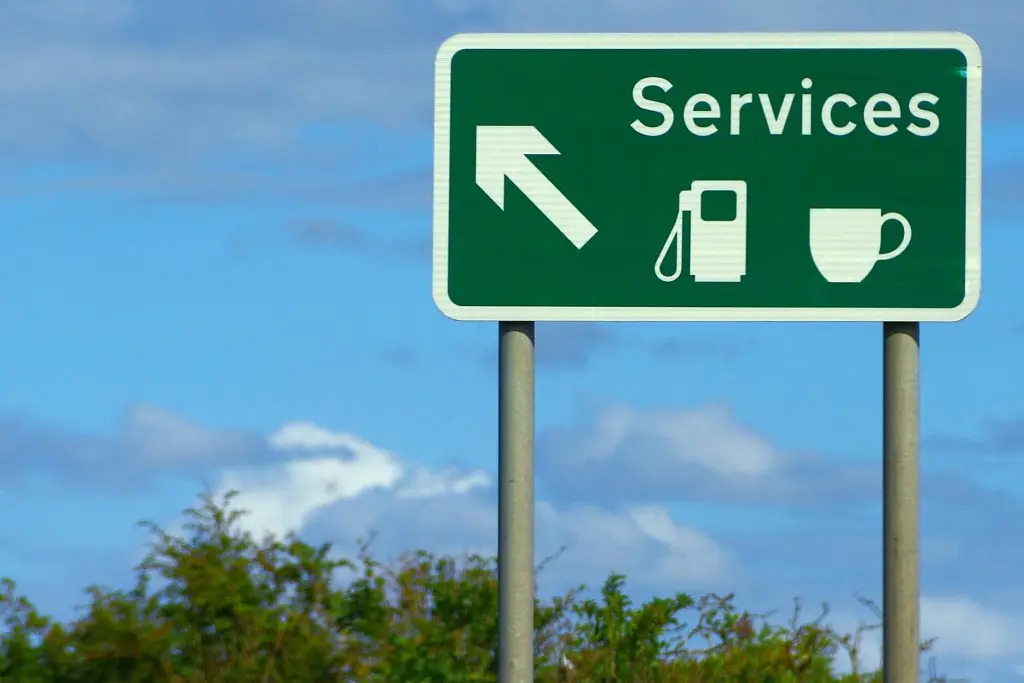
Motorway services and rest areas have long been the bane of drivers’ lives. Now anyone who is blowing a head gasket over the poor conditions of facilities can do something about it. Drivers of cars, vans and lorries are being urged to name and shame poor motorway service areas.
The Freight Transport Association (FTA) has launched a social media campaign. It wants to use people power to drive up the standards of services and rest areas across Britain.
The FTA is taking action after the government revealed it wants to fine drivers for not taking breaks away from their vehicle. Drivers who spend rest times in their cabs face a £300 fine. But HGV drivers complain that rest facilities on Britain’s motorway network leave a lot to be desired. They argue their full-fitted cabs are frequently more comfortable.
How do I share experiences of good or bad motorway services?
The FTA is calling on all drivers to use the power of social media to highlight the need for improvement across motorway services and rest areas. It wants users to take pictures of good or bad facilities and share them to Twitter, using the hashtag #ftarest.
Are motorway services all bad?

According to a survey of almost 9000 drivers, many motorway services are actually very good.
Transport Focus, a road and rail watchdog, asked motorists to score services across Britain, based on food, drink, staffing and toilets. They were also asked what impact the services had on their mood.
Reading Services, on the westbound M4, came top with a 100 per cent satisfaction score. However Heston services, on the eastbound M4, showed there is room for improvement. It scored just 62 per cent and was ranked last out of 112 locations. Its limited facilities and poor facilities were criticised.
Chief executive of Transport Focus, Anthony Smith says overall, motorway services are providing customers with a good experience helping them to rest and recharge before continuing to drive.
Smith added: “Motorway service operators must not rest on their laurels however. Our message is clear: use the results to deliver even higher levels of customer satisfaction in future.”
What improvements can be made?
John Hayes, Transport Minister says the government has established a body to improve services and rest areas on Britain’s motorway network.
“My new taskforce will bring together industry and independent experts to look at how services can be fit for future motorists. Thoughtful design and a range of goods and services can make all motorway services as good as the best,” said Hayes.
What is the change in law for HGV drivers?
The government rightly wishes to target tired driving. It says that nearly a quarter of injuries in accidents involving lorries are fatal or serious. And approximately 40 per cent of sleep-related accidents involve commercial vehicles.
The Driver and Vehicle Standards Agency (DVSA) is setting out to enforce rules around rest times. Commercial drivers who take breaks in their vehicle face fines from 1 November 2017.
Lorry, bus and coach drivers must take a 45-hour rest break at least every fortnight. DVSA traffic examiners are actively checking drivers’ weekly rest records. They can issue fines of up to £300 to those caught breaking the rules.
Why would anyone have a problem with preventing tired driving?
The FTA, which represents drivers and hauliers, says it is fully supportive of ensuring drivers rest away from their vehicles. However, it argues that the new fines have been introduced ahead of badly needed improvements in motorway facilities.
Malcolm Bingham, Head of Road Network Policy at FTA, said: “Without a consistent, widespread network of safe and secure rest stops nationwide, drivers will still opt to rest in their cabs particularly when their fully fitted cab offers a better standard than some accessible amenities. FTA is calling on government to use common sense in applying the new £300 fines system, to accommodate the fact that in parts of the country, facilities for drivers are substandard, or simply not available.”
Are there guidelines around motorway rest areas?
EU law states that rest facilities should be located approximately every 100km (62 miles) across the European road network by 2030. The European Commission is co-financing safe and secure parking projects.
Read more: HGVs - how car drivers can stay safe around lorries
More from Motoring news and advice
View more
Motoring news and advice
Expert advice: why old tyres can be dangerous
Motoring news and advice
Expert advice: why old tyres can be dangerous
Motoring news and advice
Expert advice: why old tyres can be dangerous
Motoring news and advice
Driving holidays on the up: great places to stop on British road trips
Motoring news and advice
Driving holidays on the up: great places to stop on British road trips
Motoring news and advice
Driving holidays on the up: great places to stop on British road trips
Motoring news and advice
Driving holidays on the up: great places to stop on British road trips
Motoring news and advice
Do you play fuel station roulette? All about when the low fuel light is on
Motoring news and advice
Do you play fuel station roulette? All about when the low fuel light is on
Motoring news and advice
Do you play fuel station roulette? All about when the low fuel light is on
Motoring news and advice
Do you play fuel station roulette? All about when the low fuel light is on
Motoring news and advice
Stressed drivers: How to stay calm when behind the wheel of your car
Motoring news and advice
Stressed drivers: How to stay calm when behind the wheel of your car
Motoring news and advice
Stressed drivers: How to stay calm when behind the wheel of your car
Motoring news and advice
Stressed drivers: How to stay calm when behind the wheel of your car

Motoring news and advice
Why should you do a vehicle history check?
Motoring news and advice
Why should you do a vehicle history check?
Motoring news and advice
Why should you do a vehicle history check?
Motoring news and advice
Why should you do a vehicle history check?

Motoring news and advice
How to fit a bike rack to your vehicle
Motoring news and advice
How to fit a bike rack to your vehicle
Motoring news and advice
How to fit a bike rack to your vehicle
Motoring news and advice