Motoring news and advice

Breakdown cover
Shop and services
Help and support
A new petrol is on sale. Will E10 petrol be a problem for your car?
By James Foxall
Last updated: September 1, 2021
By James Foxall
Last updated: September 1, 2021
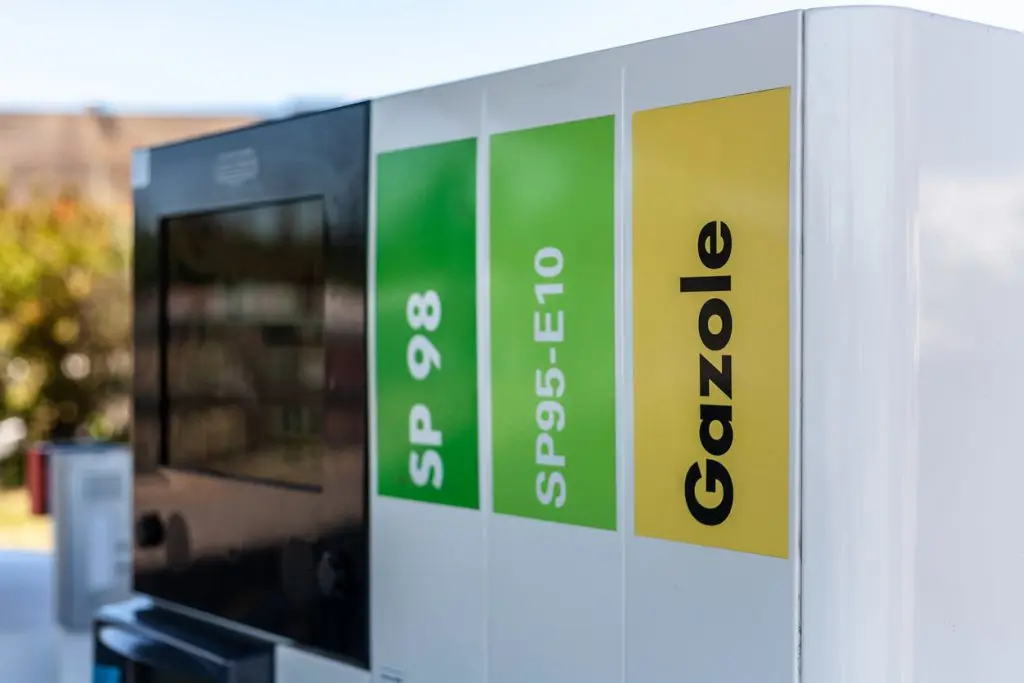
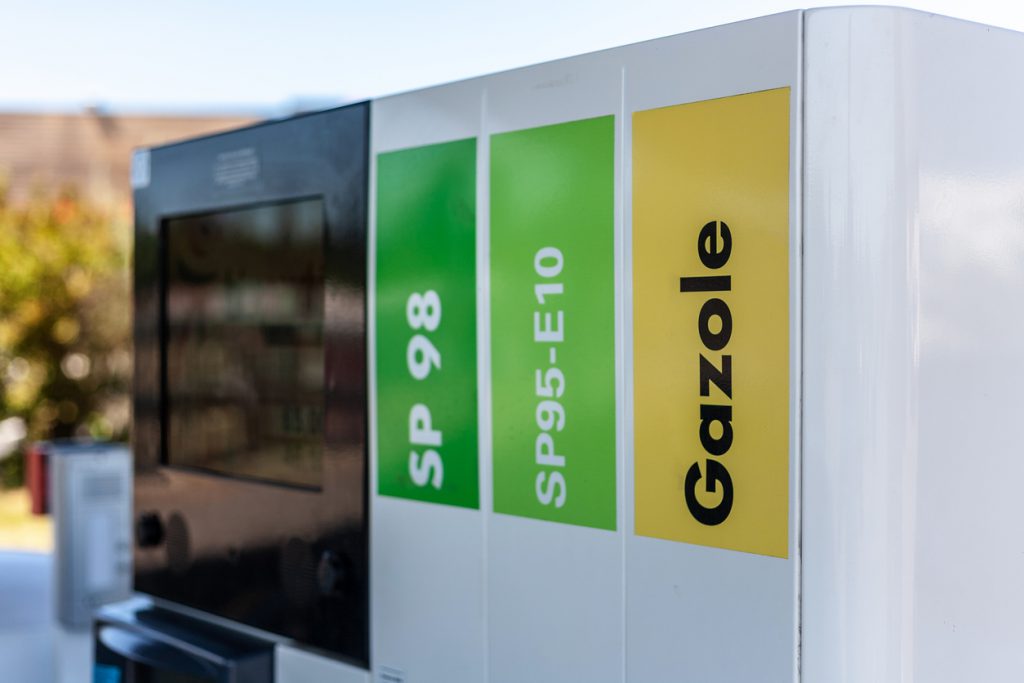
E10 petrol is here, but what does it mean for your vehicle? (Picture iStock/Dutchphotography)
A new fuel, called E10, is now the standard petrol available in the UK. However, this new petrol may not be suitable for all vehicles. Read on to find out if you’re going to be affected.
What is the new petrol?
Until now, regular petrol has contained 95 per cent unleaded petrol and 5 per cent bioethanol. It’s called E5 and can be used in most cars without engine modification. The new petrol, E10, is slightly different, with 10 per cent bioethanol in it.
Why is the government switching to E10?
The government claims the move to E10 will reduce carbon dioxide (CO2) emissions by around 2 per cent compared to E5. The result would be a cut in overall transport CO2 emissions by 750,000 tonnes per year. That, the DfT says, is the equivalent to taking around 350,000 cars off the road.
So, what's the problem with E10?
E10 is a slightly different fuel make-up to E5. In older engines, it may cause pre-detonation (also known as pinking or knocking). This is when the fuel air mix doesn’t explode in the cylinder exactly when it should. Putting E10 in a non-compatible car may also make the car difficult to start.
Modern cars (2011 onwards) are adapted to accept E10 without any trouble (Picture iStock/DeepBlue4You)
Will the new petrol harm your car?
If you use E10 in a non-compatible car over a long period of time, it may cause lasting damage to the engine. Bioethanol has corrosive properties and Department for Transport (DfT) research suggests it can damage hoses, seals and plastics in engines that aren’t compatible. It may also harm fuel pumps and carburettors.
But, that's over a long period. Just filling up once with E10 should be fine, although the engine may be slightly harder to start and your vehicle may run a bit rougher. Experts say you should add regular E5 petrol as soon as the tank has emptied.
Which cars can use E10 without any issues?
All petrol cars sold since 2016 must have engines that are optimised for using E10 petrol. If your car is registered from 2016 (16/66-reg) onwards, you don’t have to worry - you can use E10 without any problems.
All petrol cars registered in 2011 (11/61-reg) and beyond should be compatible too, but drivers should check with the manufacturer.
Which cars shouldn't use the new petrol?
There are currently around 700,000 vehicles on the road in the UK that won’t be suited to using E10. That’s around 3 per cent. The DfT says around half of these are classic or cherished vehicles that are expected to be kept on the road indefinitely. It believes the other half will be scrapped before 2026.
For cars made before 2011, the DfT advises owners check with the vehicle manufacturer to be sure. It said: “It is not straightforward to set out which vehicles produced prior to 2011 are approved for E10 use, as there are no clear cut-off dates for determining compatibility. Compatibility needs to be confirmed by manufacturers for each model.”
Some big selling cars such as petrol Volkswagen Golf FSIs, Nissan Micras and some 2.2-litre Vauxhall Zafiras, Signums and Vectras are among the vehicles that may be affected. These are models sold with first generation direct injection petrol engines. Confusingly it means a VW Golf made in 2007 (07/57-reg) may not be compatible for E10 while one built in 2005 (05/55-reg) would be.
Volkswagen Golfs with the first generation FSI engine aren't compatible with E10 petrol (Picture Volkswagen)
What happens if you drive a classic car?
The DfT has said that while regular unleaded petrol will now be E10, super unleaded will remain as E5.
So, while classic car owners will still be able to fill up, it's going to cost a little more.
To check if your vehicle is able to use E10 safely, head to the GOV website.
This blog was originally published in July 2020 and has been updated.
More from Motoring news and advice
View more
Motoring news and advice
Expert advice: why old tyres can be dangerous
Motoring news and advice
Expert advice: why old tyres can be dangerous
Motoring news and advice
Expert advice: why old tyres can be dangerous

Motoring news and advice
Driving holidays on the up: great places to stop on British road trips
Motoring news and advice
Driving holidays on the up: great places to stop on British road trips
Motoring news and advice
Driving holidays on the up: great places to stop on British road trips
Motoring news and advice
Driving holidays on the up: great places to stop on British road trips
Motoring news and advice
Do you play fuel station roulette? All about when the low fuel light is on
Motoring news and advice
Do you play fuel station roulette? All about when the low fuel light is on
Motoring news and advice
Do you play fuel station roulette? All about when the low fuel light is on
Motoring news and advice
Do you play fuel station roulette? All about when the low fuel light is on
Motoring news and advice
Stressed drivers: How to stay calm when behind the wheel of your car
Motoring news and advice
Stressed drivers: How to stay calm when behind the wheel of your car
Motoring news and advice
Stressed drivers: How to stay calm when behind the wheel of your car
Motoring news and advice
Stressed drivers: How to stay calm when behind the wheel of your car

Motoring news and advice
Why should you do a vehicle history check?
Motoring news and advice
Why should you do a vehicle history check?
Motoring news and advice
Why should you do a vehicle history check?
Motoring news and advice
Why should you do a vehicle history check?

Motoring news and advice
How to fit a bike rack to your vehicle
Motoring news and advice
How to fit a bike rack to your vehicle
Motoring news and advice
How to fit a bike rack to your vehicle
Motoring news and advice