Motoring news and advice

Breakdown cover
Shop and services
Help and support
Expert advice: prepare your car for cold weather this winter
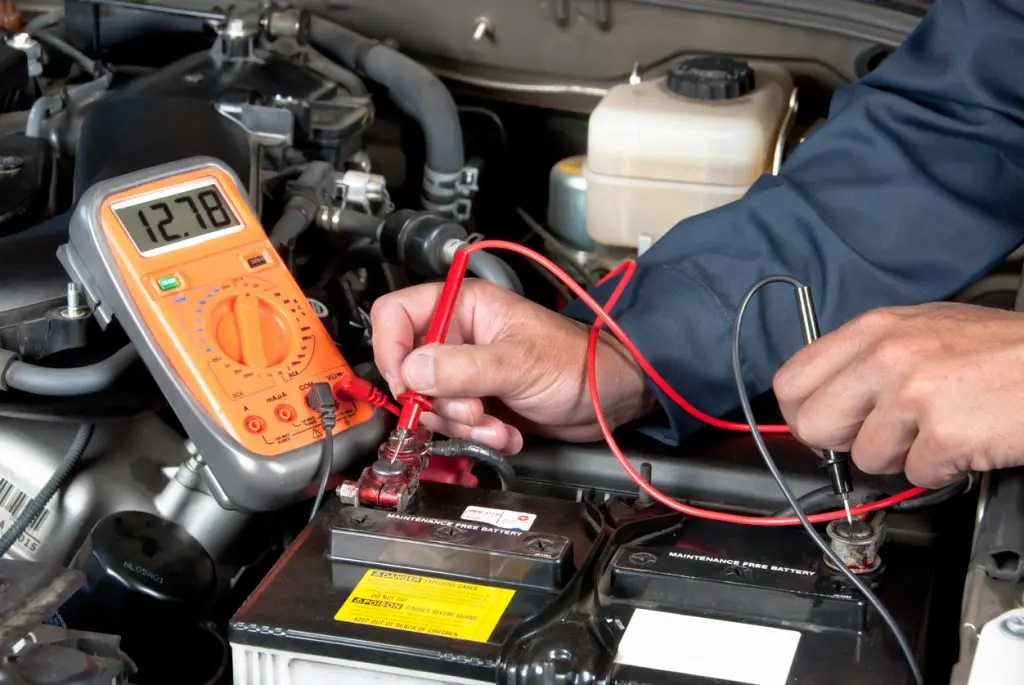

Give your battery some TLC, and it'll pay you back in spades (Picture iStock/JoeBelanger)
Updated 02 December
Winter is well and truly here, so now’s the time to prepare your car for cold weather.
If you can, the best way to get your car ready for winter is to take it in for a service. But if your scheduled service isn’t due, here are some important tips that should ensure your car won’t let you down when the going gets cold.
Why your battery needs some love
We all think it’s the cold weather than kills batteries. And it does kill batteries, but only those that are already dying because they’ve been wounded in the warmer weather during summer.
Scientists have found that a car parked in direct sunlight on a day where it’s 20 degrees C can get up to nearly 39 degrees C inside within half an hour. It won’t get quite that hot under the bonnet, but it’ll still become hot enough to dry out some of the liquid in the battery.
The older the battery gets, the more degraded this drying out causes the cells to become. Then when you come to start the car on a cold day it’ll cry: "Enough!" Quite simply, it won’t be able to supply sufficient current for the starter motor to fire the engine.
The good news is, it’s easy to get your own battery tester and battery charger. The tester will tell you how strong or otherwise your battery is. Batteries usually last about five years but if you’re in any doubt about yours, get it tested. It’ll definitely reduce your chances of being stranded roadside.
Check the anti-freeze
Your car’s cooling system will contain a mixture of water and anti-freeze. Over time, the anti-freeze will degrade so it needs refreshing every now and then. This is to ensure that when temperatures drop, the anti-freeze does its job and prevents the coolant freezing in the engine.
You can buy a simple tool that’ll tell you whether the strength of the anti-freeze in your cooling system is sufficient for colder weather. Alternatively, to really prepare your car for cold weather, take it to a garage and ask them to check the anti-freeze concentration. The free winter checks that some dealers and fast-fit centres provide should include this.
Checking the quality of your anti-freeze is important (Picture iStock/Mauro_Grigollo)
Clean your windows
As winter draws in, the sun gets lower in the sky. This causes reflections off the dirty layer that builds up on the inside of your car’s windows. If this build-up is extreme, you’ll struggle to see through the screen when driving into the sun. Simply cleaning the windows should solve this problem.
A great tip is to clean inside with strokes going from side to side, outside with strokes that go up and down. Then if you’ve missed any bits or caused any smears, you’ll be able to see which side they’re on.
Check your wipers
It stands to reason that your windscreen wipers will get more of a workout over the winter months. The rubber on older wiper blades gets harder and causes smearing, juddering and screeching on the screen. The blades also get nicks and tears in them over time. Run your finger along the blade’s leading edge to check for these.
If your wiper blades do need replacing, on most modern cars it’s a simple job. But many motor retailers and garages will do it for just a few pounds.
Top up your screen wash
Once you’ve checked the wipers, top up your screen wash. You’ll probably go through this faster when the roads are wet. And you don’t want to run out in the middle of a journey.
Another good tip is to buy concentrated liquid rather than pre-mixed because it’s usually much cheaper. You can then mix up a solution in an old soft drink bottle and if you don’t use it all in one go, it’ll be ready for when you need it again.
One last thing. While you’re doing these important checks, make sure your oil and brake fluid are both in between your vehicle’s minimum and maximum. Going over the max can be just as dangerous as being below the minimum.
The big checks for bigger journeys
If you’ve got a long drive planned, make sure you check your tyres and your brakes.
With your tyres, check for wear and excessive cracks in the sidewalls. Also, check the tyre pressures and set them to what the vehicle manufacture recommends. Remember, when the vehicle is fully loaded, the tyre pressure normally needs to be higher than normal driving conditions.
For brakes, one handy tip. If you haven’t used your vehicle for a while, apply the footbrakes at lower speeds a few times. This will clear any corrosion off the brake discs and get them ready for heavy braking.
Happy cold weather motoring!

John Price is part of Green Flag's team of automotive technical support engineers
More from Motoring news and advice
View more
Motoring news and advice
Expert advice: why old tyres can be dangerous
Motoring news and advice
Expert advice: why old tyres can be dangerous
Motoring news and advice
Expert advice: why old tyres can be dangerous
Motoring news and advice
Driving holidays on the up: great places to stop on British road trips
Motoring news and advice
Driving holidays on the up: great places to stop on British road trips
Motoring news and advice
Driving holidays on the up: great places to stop on British road trips
Motoring news and advice
Driving holidays on the up: great places to stop on British road trips
Motoring news and advice
Do you play fuel station roulette? All about when the low fuel light is on
Motoring news and advice
Do you play fuel station roulette? All about when the low fuel light is on
Motoring news and advice
Do you play fuel station roulette? All about when the low fuel light is on
Motoring news and advice
Do you play fuel station roulette? All about when the low fuel light is on
Motoring news and advice
Stressed drivers: How to stay calm when behind the wheel of your car
Motoring news and advice
Stressed drivers: How to stay calm when behind the wheel of your car
Motoring news and advice
Stressed drivers: How to stay calm when behind the wheel of your car
Motoring news and advice
Stressed drivers: How to stay calm when behind the wheel of your car

Motoring news and advice
Why should you do a vehicle history check?
Motoring news and advice
Why should you do a vehicle history check?
Motoring news and advice
Why should you do a vehicle history check?
Motoring news and advice
Why should you do a vehicle history check?
Motoring news and advice
How to fit a bike rack to your vehicle
Motoring news and advice
How to fit a bike rack to your vehicle
Motoring news and advice
How to fit a bike rack to your vehicle
Motoring news and advice