Motoring news and advice

Breakdown cover
Shop and services
Help and support
How safe are the roads you use? Britain's best and worst revealed
By James Mills
Last updated: November 29, 2017
By James Mills
Last updated: November 29, 2017
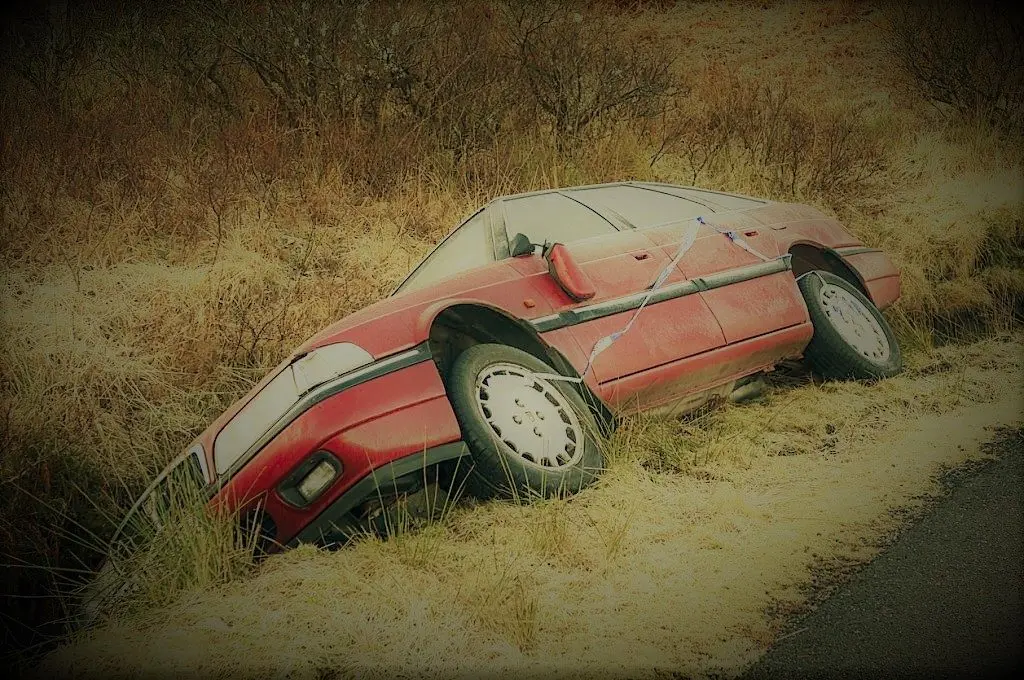
Every driver thinks they know a safe road and one that’s dangerous. Personal experiences and anecdotes from friends and family can create an impression that some roads are more risky than others. Now there is a more reliable measure of the safety of the routes we routinely travel.
For the first time, drivers and communities can accurately find out which roads in Britain are safe. The Road Crash Index allows anyone to view the number of accidents on specific roads. They can then see whether there has been any increase or decrease over time.
Free and available to all drivers, the Road Crash Index has been compiled as part of a wider initiative to improve road safety standards across Europe’s main roads. Read on to find out how to use it.
What is the Road Crash Index?
The Road Crash Index (RCI) is a new interactive website that takes accident data and presents it to drivers and communities. It covers the UK’s main network of motorways and A-roads and allows users to browse regions by county.
The RCI also reveals the most common causes of accidents across the UK, and which types of road are statistically the least safe.
Its objective is to drive down the number of deaths and injuries. It's part of a United Nations initiative to halve the number of deaths and injuries on roads in 2020, compared with 2010.
Didn’t we already know UK accident rates?
The Department for Transport records accident rates on UK roads. However, the RCI makes it easy for anyone to find out how safe roads are in any given area, and view the cost to the local economy. And that can help spur councils into taking action to improve the safety of their roads.
Why doesn’t it include other road types?
Half of Britain’s road deaths are concentrated on just 10 per cent of its system. That's motorways and far more predominantly, A-roads outside inner city areas.
Which counties have most improved road safety?
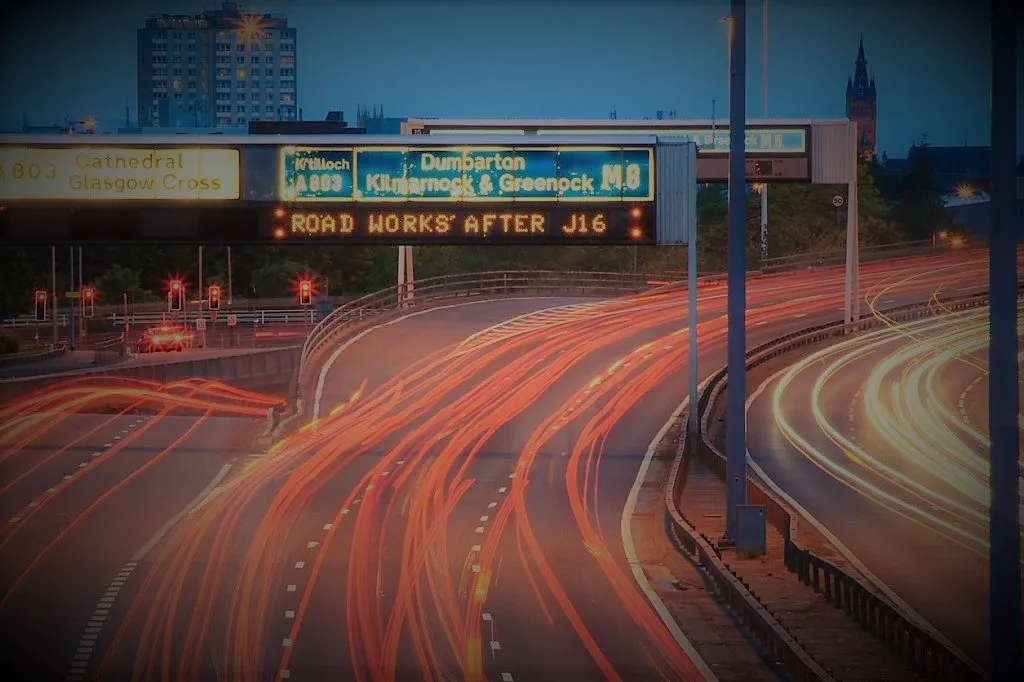
Counties that rank highest in the RCI have achieved the greatest reduction of deaths and serious crashes over two periods: 2010-2012 and 2013-2015. The best work has been achieved in Scotland.
Top spot goes to Dunbartonshire, with a 32 per cent reduction in fatal and serious smashes. It saw five people killed and 83 serious accidents.
In second place is Dundee. There were four fatalities and 94 serious incidents, a reduction of 30 per cent.
Taking third position is Highland, the most northern of Scotland’s mainland counties. It recorded 48 deaths and 157 serious crashes, which was a 27 per cent improvement.
Which counties have seen the greatest fall in road safety?
Languishing at the bottom of the RCI is South Glamorgan in Wales. It suffered 21 fatal and 314 serious crashes on main roads, an average increase of 27 per cent.
Next worst is Somerset North and Bath. There were 29 fatal and 270 serious accidents, a rise of 25 per cent. North Yorks Teeside follows, where a rise of 21 per cent was down to 13 fatal and 228 serious incidents.
Should these counties not improve their road safety performance, they will fail to meet international targets to halve road deaths by 2020.
What is the financial impact of poor road safety?
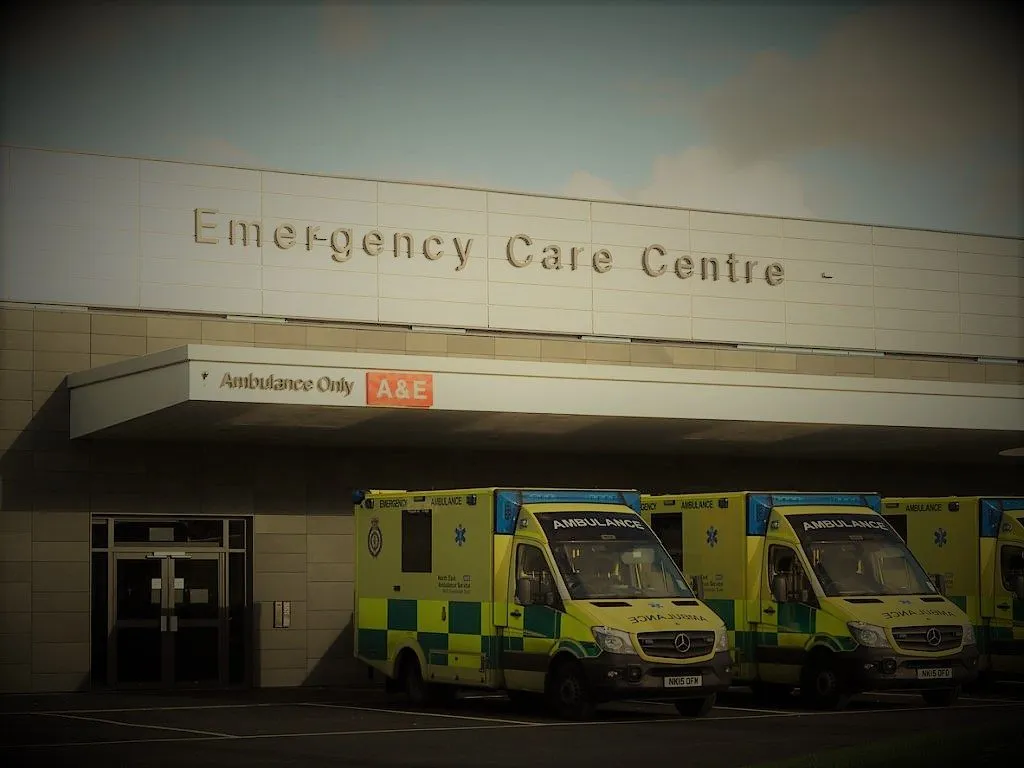
Accidents on the nation’s roads place a drain on the economy. Using Department for Transport values, the most improved county of Dunbartonshire spent £15m. Between 2013 and 2015 that's £75 per resident. By contrast, South Glamorgan was hit with bills totalling £115m, equivalent to £238 per resident.
Which are the most risky road types?
In the RCI, single carriageway A-roads are seven times as risky as motorways and nearly three times as dangerous as dual carriageways. Experts have recently argued that just a five per cent lowering of speed limits could result in a 30 per cent reduction in fatal traffic crashes. The main reason attributed to accident cause is 'leaving the road'. Experts believe this suggests an improvement in infrastructure could prevent many car crashes. Research has shown that every pound spent on road safety engineering saves the wider economy £3.
Which is Britain’s most dangerous road?
You’re most vulnerable taking the famous Cat and Fiddle road – the A537 between Macclesfield and Buxton in the Peak District.
How about the most improved road?
This year’s most improved road is the A4151, from Nailbridge to the A48 in Gloucestershire.
Who compiles the Road Crash Index?
The driving force behind the scenes is charity the Road Safety Foundation and the European Road Assessment Programme (EuroRAP). They are hoping to make the kind of improvements to road safety that Euro NCAP has managed with cars.
How can drivers take action?
If the accident statistics leave you shocked, the Road Crash Index lets you tweet or email your local MP. The aim is for concerned drivers to encourage MPs to lobby for action.
More from Motoring news and advice
View more
Motoring news and advice
Expert advice: why old tyres can be dangerous
Motoring news and advice
Expert advice: why old tyres can be dangerous
Motoring news and advice
Expert advice: why old tyres can be dangerous
Motoring news and advice
Driving holidays on the up: great places to stop on British road trips
Motoring news and advice
Driving holidays on the up: great places to stop on British road trips
Motoring news and advice
Driving holidays on the up: great places to stop on British road trips
Motoring news and advice
Driving holidays on the up: great places to stop on British road trips
Motoring news and advice
Do you play fuel station roulette? All about when the low fuel light is on
Motoring news and advice
Do you play fuel station roulette? All about when the low fuel light is on
Motoring news and advice
Do you play fuel station roulette? All about when the low fuel light is on
Motoring news and advice
Do you play fuel station roulette? All about when the low fuel light is on
Motoring news and advice
Stressed drivers: How to stay calm when behind the wheel of your car
Motoring news and advice
Stressed drivers: How to stay calm when behind the wheel of your car
Motoring news and advice
Stressed drivers: How to stay calm when behind the wheel of your car
Motoring news and advice
Stressed drivers: How to stay calm when behind the wheel of your car

Motoring news and advice
Why should you do a vehicle history check?
Motoring news and advice
Why should you do a vehicle history check?
Motoring news and advice
Why should you do a vehicle history check?
Motoring news and advice
Why should you do a vehicle history check?

Motoring news and advice
How to fit a bike rack to your vehicle
Motoring news and advice
How to fit a bike rack to your vehicle
Motoring news and advice
How to fit a bike rack to your vehicle
Motoring news and advice