Motoring news and advice

Breakdown cover
Shop and services
Help and support
Expert advice: what to do if you have a crash
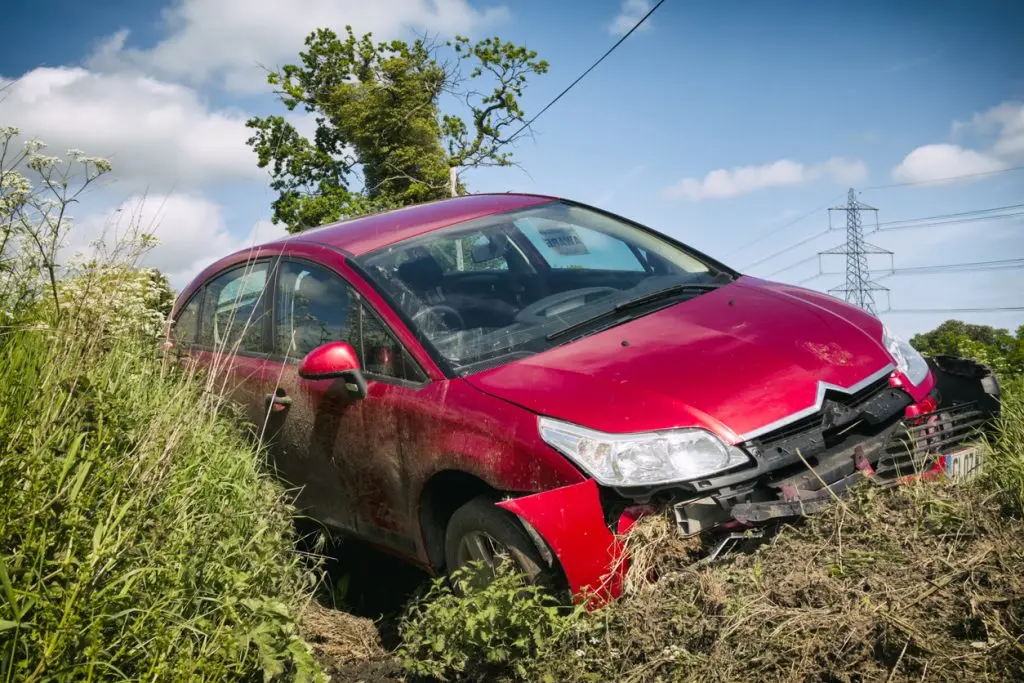
Do you need to call the police if you don't damage anything other than your car in a crash? Read on to find out (Picture iStock/WhiteMay)
Having a crash can be one of the most stressful parts of driving. At this time of year with the sun low in the sky leading to tricky light conditions, and cold damp weather making the road surface treacherous, we always see accident rates increase.
But if you know what to do in the immediate aftermath of a crash, it can take the pain away. Below I answer important questions such as whether you must call the police and when you need to give insurance details.
Nearly all of us carry a mobile phone, which is handy for taking pictures of any damage. And I’d always advise drivers to carry a pen and paper in the car too. It’s useful for taking other drivers’ details and making notes of what happened while they’re still fresh in your mind.
But most importantly, drivers should stay safe at the roadside. Having a crash frequently puts us in a dangerous situation, as highlighted by our current ‘Slow down, move over’ campaign. Read my tips here about what to do if you’re stranded at the roadside.
Stop but stay safe
No matter how little damage is done you must stop at the scene if you have a crash. It’s the law. The 1988 Road Safety Act says drivers can be fined and in extreme cases even imprisoned if they don’t pull over. If your car is still driveable, find somewhere safe to stop. Then turn the engine off, engage the parking brake and put the hazard warning lights on.Make sure you get all occupants out of the car. If another driver involved in the accident fails to stop, try to note down their registration number. Report them to the police immediately.
Call the police

First thing’s first: is anyone injured? If they are, calling an ambulance is the priority. If you’re in a motorway layby, use one of the emergency phones as the rescue services will be able to locate you instantly.
You should then call the police if the road is blocked. Also ring the police if you suspect there’s something dodgy going on and you’ve been a victim of a ‘crash for cash’ scam, or you believe one of the other parties is under the influence of drink or drugs.
Whatever the state of the road, you must report the accident to the police if you cause damage to another vehicle that isn’t your own, another person, an animal or property. The law says you should also give your name and address: “To any person having reasonable grounds for so requiring.”
If you don’t have your insurance certificate on you, you have to produce it at a police station within 24 hours of the crash.
Sorry might be an expensive word
If it’s your fault, you may be aching to say sorry to anyone who’ll listen – it’s human nature, after all ‑ but try to resist. In the eyes of the law, saying sorry isn’t technically considered to be an admission of guilt. But it could be used against you by another driver and may have an impact on an insurance claim.
Get the details
Rather than apologising, I’d put my energy into making sure everyone involved in the accident is in a safe place. Then swap details. You are obliged to give your name, address and car registration number. If you’re not the owner of the vehicle you must give their name too.
You don’t have to give your insurance details unless anyone is injured. But it might make settling things smoother if you do. When I renew my cover, I always take a photograph of my insurance certificate with my phone so I’ve got it with me.
I would advise getting other people’s insurance details just in case. A car crash is a high stress moment and with all that adrenaline coursing through your system, you might not feel bruises or whiplash injuries until a couple of hours after the event.
It makes sense to exchange details with any other people involved in the crash (Picture iStock/DMBaker)
Make notes
Ask three people to describe what happened in an accident and you’ll probably get three different answers. And it can be difficult to recall exact details a couple of hours afterwards.
That’s where a mobile phone comes in handy. Take photographs of any damage to your car and others. Do a sketch too of what happened, where cars started and finished and the sequence of events. And note down what time of day it was, what the weather was like and which direction you were pointing in. All of these might be relevant and help when talking to insurers.
_ Nick Reid is head of automotive technology for Green Flag and is a fellow of the Institute of the Motor Industry_
More from Motoring news and advice
View more
Motoring news and advice
Expert advice: why old tyres can be dangerous
Motoring news and advice
Expert advice: why old tyres can be dangerous
Motoring news and advice
Expert advice: why old tyres can be dangerous
Motoring news and advice
Driving holidays on the up: great places to stop on British road trips
Motoring news and advice
Driving holidays on the up: great places to stop on British road trips
Motoring news and advice
Driving holidays on the up: great places to stop on British road trips
Motoring news and advice
Driving holidays on the up: great places to stop on British road trips
Motoring news and advice
Do you play fuel station roulette? All about when the low fuel light is on
Motoring news and advice
Do you play fuel station roulette? All about when the low fuel light is on
Motoring news and advice
Do you play fuel station roulette? All about when the low fuel light is on
Motoring news and advice
Do you play fuel station roulette? All about when the low fuel light is on
Motoring news and advice
Stressed drivers: How to stay calm when behind the wheel of your car
Motoring news and advice
Stressed drivers: How to stay calm when behind the wheel of your car
Motoring news and advice
Stressed drivers: How to stay calm when behind the wheel of your car
Motoring news and advice
Stressed drivers: How to stay calm when behind the wheel of your car

Motoring news and advice
Why should you do a vehicle history check?
Motoring news and advice
Why should you do a vehicle history check?
Motoring news and advice
Why should you do a vehicle history check?
Motoring news and advice
Why should you do a vehicle history check?
Motoring news and advice
How to fit a bike rack to your vehicle
Motoring news and advice
How to fit a bike rack to your vehicle
Motoring news and advice
How to fit a bike rack to your vehicle
Motoring news and advice